Why consistency alone doesn’t lead to results on social media

Why Your Social Media Isn’t Working (Even If You Post Every Day)

Learn why posting consistently isn’t enough and what actually leads to messages, inquiries, and clients.


The Real Reason Posting Every Day Isn’t Working

Posting every day is not the problem. The frustration usually starts when you keep showing up and nothing seems to change.

You post, check your insights, and move on to the next day. Maybe a post does okay, maybe it does not. Either way, it never really feels like things are building. It just feels like work. That usually happens when content goes out without a clear purpose.

Not a trend or an idea, but a reason. Something that moves people forward instead of just filling a feed.

What You’ll Learn in This Guide

Why Posting Every Day Still Isn’t Getting You Results

Posting every day only helps if something about your content makes people stop. When it does not, daily posting just means you are giving the platform more chances to watch people scroll past.

Social platforms pay attention to how posts are treated, not how often they are published. If people pause, watch, read, or react, reach grows. If they skim and move on, reach quietly drops, even if you are consistent.

This is where a lot of effort goes to waste. You might feel visible because you are posting regularly, but visibility is not the same as impact. Being seen for half a second is not the same as holding attention long enough to matter.

What Actually Needs to Be in Place for Social Media to Work

For social media to work, people need to understand you fast. Not everything about you, just the basics. What you help with. Who it is for. If someone has to think too hard to figure that out, they usually keep scrolling.

Content also needs a clear reason behind it. Not every post has to sell something, but it should not exist just to fill space. Some posts help people understand a problem. Some help them trust you more. Some make them stop and think. When posts are shared without a reason, they blend in and get forgotten.

Another thing that matters is what happens next. After someone watches a video or reads a post, there should be a natural next step. That might be checking your profile, sending a message, or simply paying more attention the next time you show up. When there is no clear next step, interest fades quickly.

Step 1: Stop Treating Consistency as the Strategy

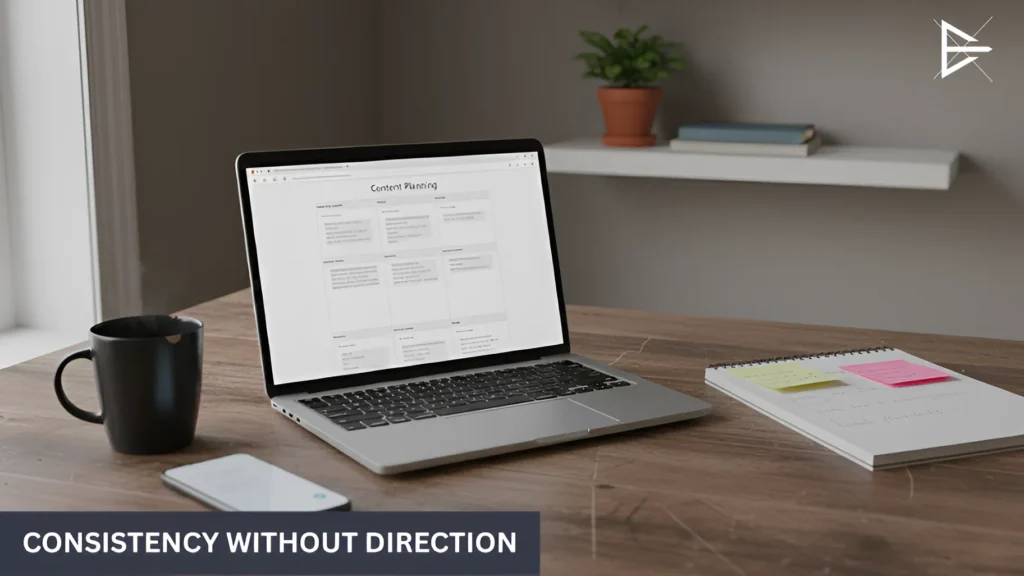
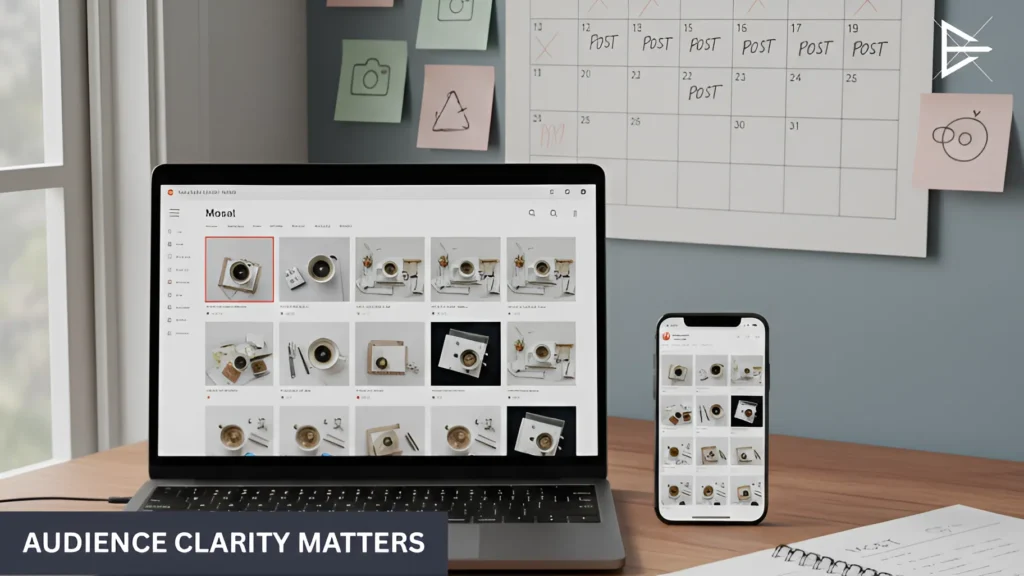
Laptop on a desk showing a content planning board and posting schedule, illustrating consistent posting without a clear strategy.

“Just stay consistent” is advice almost everyone hears. Post every day. Do not miss a day. At first, that helps. It gets you moving and keeps you from overthinking. But after a while, you start to wonder what all that posting is actually doing.

This is usually how it plays out:

You post because it is time to post. Not because you have something clear to say, just because the calendar says you should.

● You reuse the same ideas in different ways. New hook, new format, same message. It feels new, but it is not really going anywhere.

● You check your insights more than you want to admit. You are hoping something finally looks different. Most days, it does not.

● You feel pressure to show up even when you are not sure why. Posting turns into something you have to do, not something you choose to do.

● You are busy, but you cannot point to progress. You are consistent, but nothing feels clearer, easier, or more effective.

Step 2: Get Clear on Who Your Content Is Really For

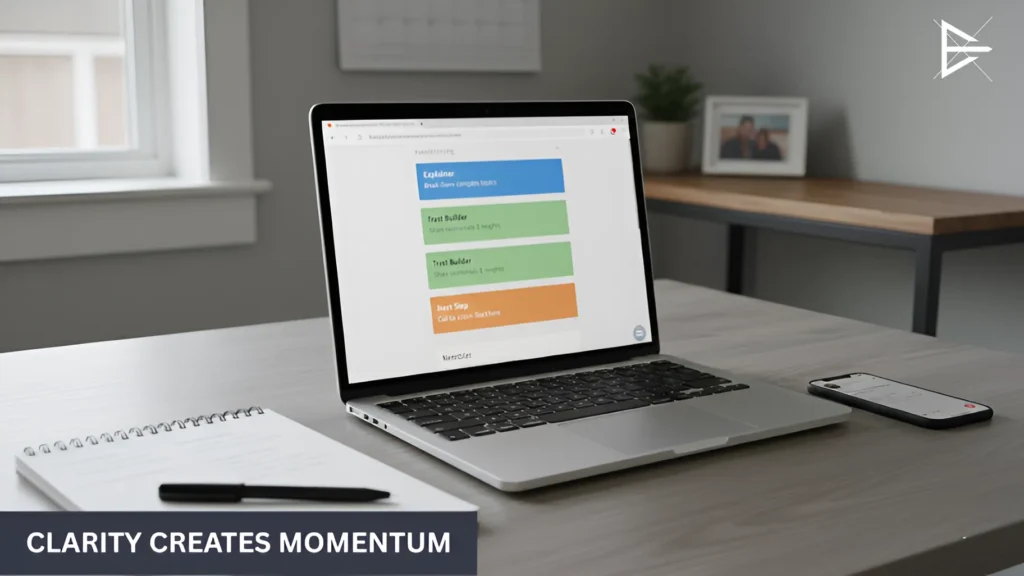
Laptop showing a structured content workflow and next steps, representing how clear direction creates forward momentum.

A lot of social media content misses because it is trying to speak to too many people at once. The post is not bad. It is just not clear who it is meant for. When that happens, people scroll past without really thinking about it.

Most of the time, this shows up in small ways:

● You say “business owners” or “creators,” but you are not sure which ones you actually want

● The advice sounds useful, but it feels familiar, like something people have seen before

● Posts get likes, but no one messages you about them

● Comments are short and polite, not curious or personal

● You struggle to describe who your content is pulling in

That gap matters. An audience might enjoy your content. A buyer recognizes themselves in it. When someone feels like a post is talking about their problem, action feels natural. When it feels general, they move on. This step is not about narrowing for the sake of it. 

Step 3: Make Your Profile Support Your Posts

Laptop displaying a clean profile page with a clear call to action, showing how a profile guides visitors toward the next step.

A lot of people put real effort into their posts, but lose momentum the moment someone clicks their profile. The interest is there, but it does not last. Most of the time, it is because the profile does not make things clear fast enough, so people leave before doing anything else.

This is usually what goes wrong:

● The bio sounds nice, but it is hard to understand.

It might be creative or well written, but after reading it, you still cannot tell what the person actually helps with.

● It talks more about the creator than the problem.

Titles, roles, and interests are listed, but nothing speaks directly to what the visitor might need.

● Too much is packed into a small space.

Several offers, ideas, or directions compete for attention, and none of them stand out.

● It assumes people already know what to do next.

There is no clear signal to message, click, or explore further, so people do nothing.

Step 4: Post Content With a Job, Not Just a Schedule

Laptop displaying performance data focused on replies and follow-ups, emphasizing measuring actions instead of vanity metrics.

A lot of posts go out just because it is time to post. The day comes, the calendar says “post,” so something gets shared. There is nothing wrong with the post itself. The problem is that it does not lead anywhere.

When posts do not have a job, they all feel the same. One post does not help the next one. People might watch, like, or scroll past, but nothing really builds. It helps to think about why a post exists before you share it.

● Some posts are meant to explain things.

These posts help people understand something they are already confused about. You slow things down. You use simple words. You help them see the problem more clearly.

● Some posts are meant to build trust.

These posts help people feel more comfortable with you. You share what you have seen, what you have learned, or what has
worked. Nothing fancy. Just real and honest.

● Some posts are meant to lead somewhere.

These posts give people a small next step. Send a message. Click a link. Think about something differently. Without posts like this, everything stays passive.

Step 5: Engagement Without Action Is a Dead End

Laptop displaying performance data focused on replies and follow-ups, emphasizing measuring actions instead of vanity metrics.

Likes and views can look good, but they do not change much on their own. A post can get attention and still lead nowhere if nothing happens after that moment. This is where a lot of people feel stuck without knowing why.

This is usually what starts to happen:

● People like the post, then disappear.

They tap like, maybe read part of the caption, and keep scrolling. There is no message, no follow-up, and no sign they want to take it further. The post did its job halfway, then stopped.

● Comments feel polite, not curious.

You see emojis, “this is good,” or “so true,” but no real questions. Nothing that shows someone wants to learn more or keep talking. It looks active, but it stays shallow.

● Numbers move, results do not.

Views go up and reach looks fine, but nothing new comes from it. No inquiries. No clicks. No clear signal that the content helped you grow in any real way.

● You are not sure what the engagement is actually for.

It feels nice to see reactions, but you cannot explain how they connect to your goals. You start wondering if engagement even matters at all.

● You hesitate to guide people because you do not want to sound pushy.

So you avoid asking questions or suggesting a next step. The post ends quietly, even though some people might have been open to
more if they were invited.

Step 6: Build Trust Signals That Reduce Hesitation

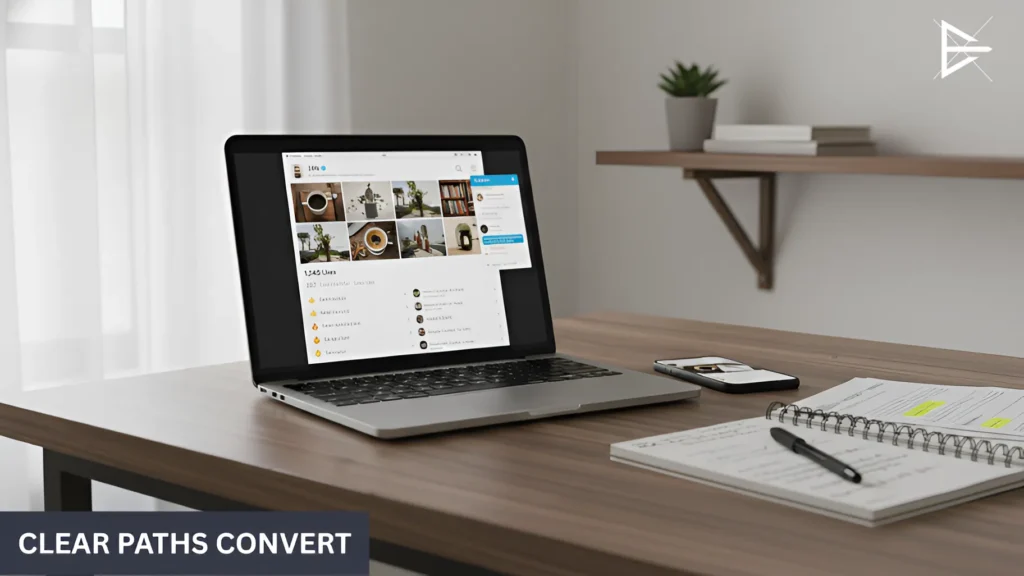
Laptop showing a focused off-platform page alongside a phone with social media, illustrating a clear path from interest to action.

A lot of people do not say no. They just pause. They read your post. They like it. They might even come back later. But they still do not message you or take the next step. Most of the time, that pause is not about cost or timing. It is about not feeling sure yet.

People want to feel safe before they act. They want to know you are real, consistent, and not just saying the right things. When that feeling is missing, they wait.

Here is what usually helps:

● Seeing that you have done this before.

This can be results, examples, or lessons you learned from real situations. It does not need to be impressive. It just needs to show that you are speaking from experience, not theory.

● Small signs that you are a real person.

Sharing how you think, how you work, or what you have noticed builds comfort. People trust what feels steady and familiar, not perfect.

● Knowing others have paid attention to you.

Replies, conversations, feedback, or even quiet interaction all help. They show that people have been here before and felt comfortable enough to stay.

Step 7: Give People a Reason to Care Now

Laptop displaying a time-sensitive message with a clear call to action, showing how urgency encourages people to act now.

Even when people trust you, they often wait. They like the post. Maybe they save it. Then they scroll.

Not because they do not care, but because nothing makes this moment feel different from the next one. Most content is easy to agree with. That is the problem. When a post feels passive, people assume they can come back later. Later usually turns into never.

This is where things slow down:

The post just ends. It shares something useful, then stops. No question. No follow-up. Nothing that keeps the moment going.

● There is no reason to act today. People think, “This makes sense,” but they do not see why now matters more than tomorrow.

The next step feels like extra effort. Messaging you or clicking feels optional, not obvious, so they do nothing instead.

Step 8: Create a Simple Path Off the Platform

Laptop screen with a clear offer and supporting context, illustrating how trust signals make it easier for people to take action.


Social media is great at starting interest, but it is not always the best place to finish a decision.

People scroll fast, get distracted, and lose focus, even when they want to act. If everything stays on the platform, that moment often fades. A clear path off social gives people somewhere quieter to follow through.

What usually works best looks like this:

● One clear action per platform.

When people see too many options, they pause. Message you, click a link, book a call, download something. It becomes a choice they do not want to make right now. One clear action removes that pause and makes the decision feel lighter.

● A next step that feels obvious.

People should not wonder what happens if they click or message you. They should know what they are getting and why it makes sense. When the next step is clear, people feel more comfortable taking it.

● Less effort, fewer steps.

Every extra click gives people a reason to stop. Long forms, too many questions, or unclear pages break momentum. Simple paths feel easier to finish, especially when someone is already interested.

Step 9: Measure What Actually Moves the Needle

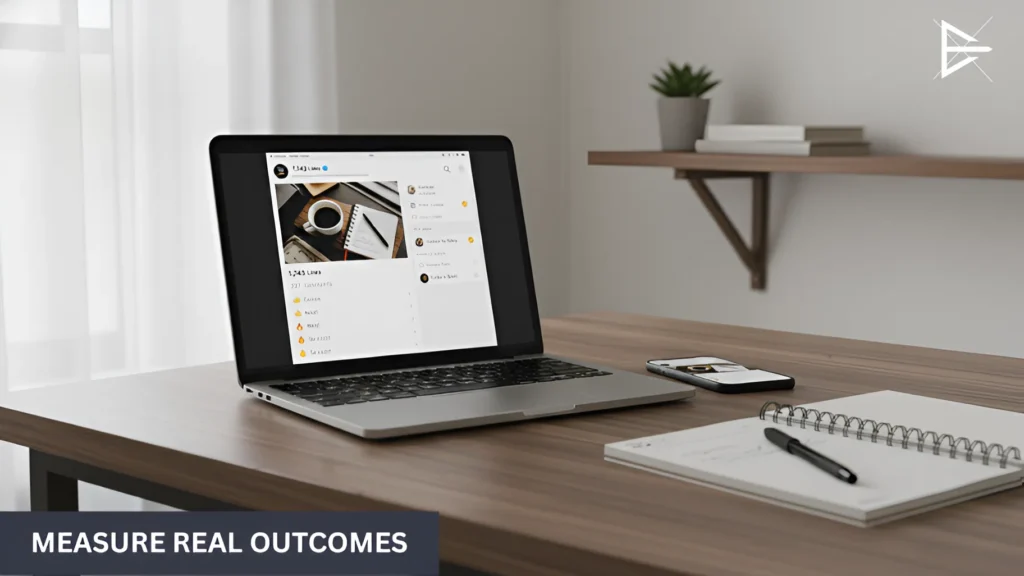
Laptop displaying engagement metrics and replies, showing activity without a clear next action or outcome.

At some point, most people realize the numbers they keep watching are not helping them make better decisions. Likes go up. Views change. Followers grow slowly. But none of that explains why things still feel stuck.

What starts to matter more is what happens after the post. Not how many people saw it, but what they did next. That is where the real signal is.

This is where focus usually shifts:

● Pay attention to what leads to real movement.

Messages, replies, link clicks, questions, or follow-ups. Anything that shows someone did more than just scroll past or tap like.

● Stop giving weight to numbers that do not lead anywhere.

A post can perform well and still change nothing. Big reach without action feels good for a moment, then fades.

● Notice patterns, not single wins.

One post spiking does not mean much. When certain topics or formats keep leading to conversations, that is worth repeating.

● Adjust based on what people actually respond to.

If something leads to messages or interest, lean into it. If it does not, let it go without overthinking.

How I Can Help You Fix What’s Not Working

Laptop on a workspace showing a structured content review screen, emphasizing that posts should have a clear goal and purpose.

Most people I talk to are already putting in the effort. They are posting, trying ideas, and paying attention. The problem is not that they are lazy. It is that they are not sure where things start to fall apart. This is usually what I help look at.

● I look at where interest drops off

Some people get views but no messages. Others get messages that never turn into anything. I look at where people stop responding and try to understand why.

● I help clean up mixed messages

Sometimes a post says one thing, the profile says another, and the offer says something else. That usually makes people pause. I help line things up so it all makes sense together.

● I help make the next step clearer

A lot of people like what they see but do not know what to do next. Message you, book something, or wait. I help narrow that down so reaching out feels easier.

● I help you see what is actually working

Instead of chasing new ideas all the time, I look at what is already bringing the right kind of response. Then we focus there and stop spending time on the rest.

● I help you stop changing direction every week

Guessing keeps you busy, but it also keeps you stuck. Clear direction makes it easier to stay consistent without forcing it.

Final Thoughts

Posting every day takes effort. A lot of it. But effort is not the same as a plan. You can stay consistent and still feel like you are guessing most of the time.

What usually changes things is clarity. Knowing who you are talking to. Knowing what a post is meant to do. Knowing what should happen after someone engages. When those things are clear, you do not need to post as much to see progress.

Social media works better when it is treated like a system instead of a habit. Content, profile, and next steps all supporting each other. When that system is in place, things feel lighter. You stop forcing ideas. You stop chasing numbers. You start seeing patterns that make sense.

Frequently Asked Questions

Why isn’t my social media working even though I post every day?

Posting every day shows effort, but effort alone does not guarantee results. If your posts do not clearly connect to a purpose, they often feel isolated. People might see them, but they do not know what to do next, so nothing builds over time.

Social media works best when each post supports something bigger. When posts are shared without direction, daily posting turns into activity instead of progress. That is why showing up consistently can still feel frustrating.

Is posting every day bad for social media growth?

Posting every day is not bad, but it is not always helpful. Daily posting only works when your content gives people a reason to stop, read, or engage more deeply. Without that, frequent posting just increases the chances of being ignored.

For many people, posting less with more intention creates better results. Growth usually comes from clarity and relevance, not volume.

Why do I get likes but no messages or inquiries?

Likes are a low-effort response. They often mean someone agrees or relates, but they do not mean someone is ready to take action. Without guidance, people stop at liking the post.

Messages usually happen when content feels personal and clear. When people recognize their own problem and see a simple next step, reaching out feels natural.

Does the algorithm punish me for low engagement?

Most platforms adjust reach based on how people interact with your content. If people scroll past quickly or do not engage, the platform assumes the post is not holding attention.

This does not mean you are being punished. It means the platform is reacting to user behavior. Improving clarity and relevance usually helps more than posting more often.

What matters more than posting frequency?

Clarity matters more than frequency. Knowing who you are talking to, what each post is meant to do, and what should happen next has a bigger impact than how often you post.

When those pieces are clear, even fewer posts can perform better. Posting becomes more intentional instead of routine.

How do I know who my content is really for?

Look beyond likes and views. Pay attention to who messages you, asks questions, or replies thoughtfully. Those signals show who actually connects with your content.

Over time, patterns appear. Certain topics or angles will attract the same type of person repeatedly. That is who your content is really for.

Why does my content feel helpful but forgettable?

Content often feels forgettable when it stays too general. Helpful advice that applies to everyone rarely feels personal enough to stick.

When content speaks to a specific problem or situation, people remember it. They feel seen instead of informed.

What is the difference between an audience and a buyer?

An audience may enjoy your content and engage with it casually. A buyer sees their own situation in what you share and feels like you understand their problem.

Buyers respond to clarity and relevance. They act when content feels directly connected to something they already want to solve.

Why do people leave my profile without doing anything?

Most people scan profiles quickly. If they cannot tell what you help with or why they should stay, they move on.

Clear positioning and one obvious next step make profiles easier to understand. When visitors do not have to guess, they are more likely to act.

What should my social media bio focus on?

Your bio should explain who you help and how you help them. It should focus on outcomes or problems, not just titles or interests.

A clear bio removes hesitation. People should know within seconds if your content is relevant to them.

Do all posts need to sell something?

No. Not every post should sell, but every post should have a purpose. Some posts educate, some build trust, and some guide action.

When posts have different roles, they work together. That is what creates momentum instead of randomness.

Why does my content feel disconnected from my goals?

Content feels disconnected when posts are created without thinking about outcomes. If posts are not tied to a bigger direction, progress feels unclear.

When you know what you want content to lead to, it becomes easier to choose what to post and what to skip.

How do I avoid sounding salesy when asking for action?

The key is to treat action as guidance, not persuasion. You are not trying to convince someone to do something they do not want to do. You are helping them understand what makes sense after reading or watching your content. A simple question or suggestion often feels more natural than a call to action that sounds rehearsed.

People usually appreciate clarity. If they found your post helpful, telling them what they can do next removes guesswork. Asking “Want help with this?” or “Message me if this sounds familiar” feels very different from pushing an offer. One invites a conversation. The other feels like pressure.

Why do people engage but never follow up?

Engagement shows interest, not readiness. Someone can like a post or leave a comment because it resonates, but still feel unsure about taking the next step. That hesitation often comes from not fully understanding what happens after they reach out.

When there is no reassurance or clear direction, people pause. That pause feels harmless, but it often turns into doing nothing. Following up becomes easier when people know what they are stepping into and feel comfortable doing so.

What builds trust on social media?

Trust builds when people see consistency over time. Saying similar things, showing up with the same tone, and sharing real experiences helps people feel grounded. They start to believe you are not just posting for attention.

Small details matter more than polished branding. Honest thoughts, simple explanations, and sharing what you have learned from real situations help people feel like you are genuine. Trust grows when people feel they know what to expect from you.

Why do people wait even when they trust me?

Trust removes fear, but it does not always create urgency. Someone can trust you and still think, “I’ll deal with this later.” Without a reason to act now, waiting feels safe and easy.

Helping people understand why timing matters makes action feel more reasonable. That does not mean pressure. It means showing how the problem affects them today, not someday. When the moment feels relevant, decisions feel lighter.

Should everything stay on social media?

Social media is great for attention and discovery, but it is not always where decisions happen best. People are distracted, scrolling quickly, and jumping between posts. Even interested people can lose focus.

Moving people off social gives them space to slow down. A message, a page, or a short form removes noise and helps them concentrate. That quieter space often makes follow-through easier.

What is the best next step to offer followers?

The best next step is one clear action that matches the content. Asking people to choose between many options creates hesitation and delay. One clear path makes the decision feel simpler.

That next step does not have to be big. A message, a reply, or a link is often enough. When people know exactly what to do next, they are more likely to do it.

Which social media metrics actually matter?

Metrics that show movement matter more than numbers that only look good. Messages, replies, link clicks, and questions show intent. They show that someone did more than just scroll.

Vanity metrics like likes and views can be encouraging, but they do not always reflect progress. Real outcomes help you understand what content is actually working and what is just noise.

When should I consider getting outside help with social media?

If you are putting in consistent effort but still guessing what is wrong, it may be time for outside help. When everything feels unclear, a fresh perspective can spot issues you no longer see.

Guidance helps you focus on what matters instead of trying everything. It can save time, reduce frustration, and help you move forward with more confidence instead of trial and error.

About the Author

Harvie Ken Colonia

Hi, I’m Harvie!

I got into SEO and web work back in 2019. At the time, I was mostly focused on helping websites get more visibility. But as I worked with more business owners, I started noticing the same pattern show up again and again, especially on social media.

People were posting consistently. They were showing up. But the results never matched the effort. Posts got seen, sometimes even liked, yet conversations rarely followed. That disconnect is what pushed me to look deeper at how content, profiles, and next steps actually work together.

Now, most of what I do is help people figure out where things quietly break down. Where interest drops off. Where messaging gets mixed. And where small changes can make it easier for the right people to take the next step.

I believe online growth works best when it feels clear and intentional, not forced or confusing.