How to know if you need a social media manager”

Do You Need a Social Media Manager? How to Know If It’s Time to Hire One

Discover the key indicators that show when DIY social media is no longer enough and hiring a manager makes sense.


Quick Answer – Do You Actually Need One?

Honestly, not everyone does.

If social media is not a big part of how your business gets customers, and you still have the time to handle it well, doing it yourself can be enough. There is nothing wrong with that.

Problems usually start when posting slips. You miss days or weeks. You are not sure what to post next. And even when you do post, it does not feel like it is doing much for your business.

What You’ll Learn in This Guide

Why This Question Comes Up So Often

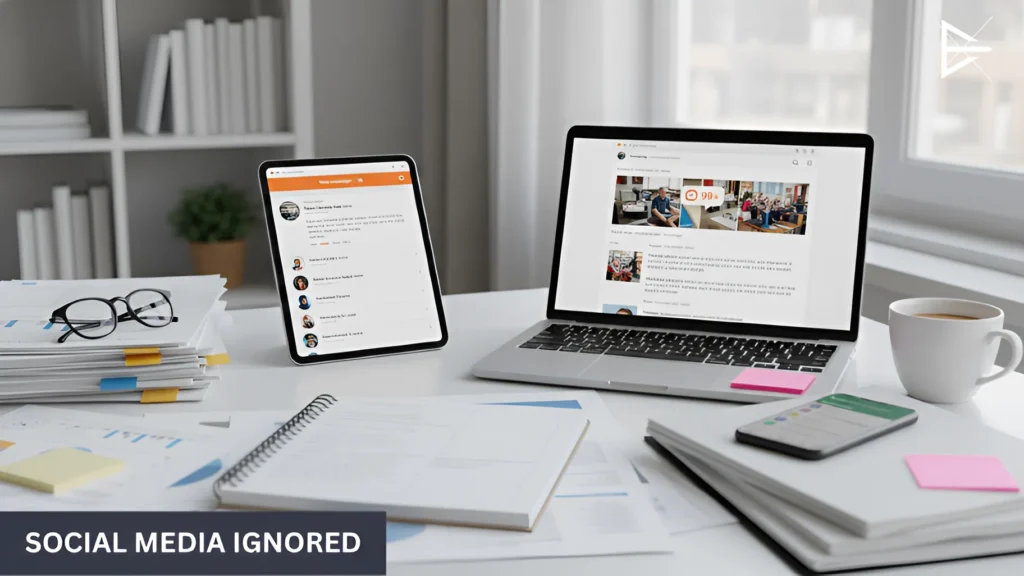
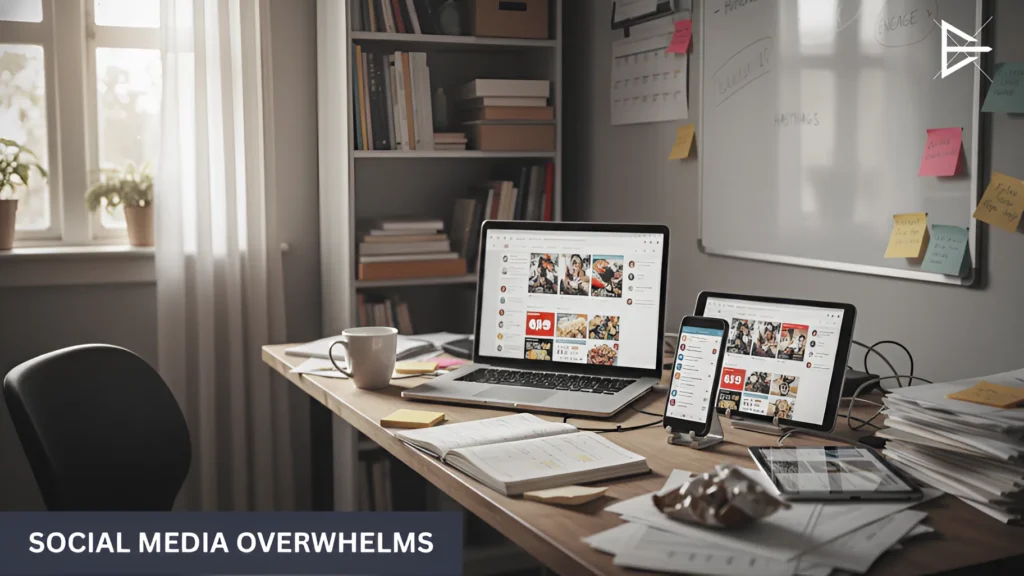
Busy desk with laptop, tablet, and phone showing social media overload and scattered posts.

Most businesses are already posting on social media. They just don’t feel good about it. Posts go out here and there. Time gets spent. But it never really feels like progress. Nothing stacks. Nothing clearly improves.

What’s usually happening looks a lot like this:

Social media gets handled last. It’s something you do after everything else is done. When the day gets busy, it’s the first thing to wait.

Every post feels like starting over. There’s no plan to pull from, so each post takes more effort than it should.

● You’re posting without a clear reason. You share updates, but you’re not sure what they’re meant to do beyond filling the feed.

● You don’t really know what’s working. You see likes and views, but it’s hard to tell what matters or what to repeat.

● Over time, motivation drops. When results feel slow or unclear, social media starts to feel like noise instead of a tool.

What a Social Media Manager Really Does

Desk setup with multiple devices highlighting random social media content and lack of plan.

A social media manager is not there just to post. The biggest difference is that social media stops feeling like something you have to keep remembering.

Here’s what usually changes:

● There’s finally a plan.

Topics are already decided, so posting feels easier and faster. You don’t need to think anymore and stare at the blank screen thinking what to post.

● Posting doesn’t stop when things get busy.

Even during busy weeks, content still goes out. Social media doesn’t disappear and then suddenly come back.

● Messages don’t get missed.

Comments and DMs are actually seen. People get replies instead of being left hanging.

● You stop guessing what works.

Over time, it becomes clear which posts get reactions and which ones don’t. You repeat what works and quietly drop what doesn’t.

● Everything sounds more consistent.

The tone feels familiar. Posts don’t sound like different people on different days.

Sign #1 – Posting Is Inconsistent or Reactive

Laptop and tablet with social media dashboards showing stagnant results and low activity.

This usually shows up before anything else. Posting does not follow a plan. It happens when you remember, when a reminder pops up, or when you suddenly feel like you should post something.

What that tends to look like:

● You post when there’s a gap in your day.

If things are calm, social media gets attention. If they’re not, it doesn’t. Posting depends more on your schedule than any plan.

● You lose track of how long it’s been.

It feels like you posted recently. Then you check and realize it’s been weeks. That gap wasn’t intentional, it just happened.

● Posts go up quickly.

You write something fast, hit publish, and move on. Not because it was ready, but because it needed to be done.

● Any traction fades right away.

A post might get a little attention, but nothing follows it. There’s no rhythm, so engagement drops off just as fast as it shows up.

Sign #2 – There’s No Clear Strategy Behind the Content

Clean workspace showing structured social media management across multiple devices.

Even when posting becomes more regular, something still feels off. You’re sharing content, but you couldn’t really explain what it’s supposed to lead to. Posts go up, then disappear, without a clear reason for why they existed in the first place.

This usually shows up in simple ways:

● You post because you feel like you should.

Content goes out to stay active, not because it serves a clear purpose. Some posts promote. Others are just updates. Most are not tied to anything specific.

● You don’t really know what “working” means.

A post gets a few likes. Another gets none. You’re not sure which result matters, or if either one actually helps the business.

● Social media feels separate from real results.

Posting doesn’t clearly lead to messages, inquiries, or next steps. It lives on its own, disconnected from sales or growth.

Sign #3 – Engagement and Results Are Flat

Office desk with laptop, tablet, and phone illustrating social media being neglected.

This is where people usually start questioning whether social media is worth the time. You’re posting. You’re trying to be consistent. But very little comes back. Posts go up and mostly sit there. A few likes, maybe. Not much else. It starts to feel like you’re putting content out and getting silence in return.

That usually shows up like this:

People aren’t responding. Likes happen, but comments and replies are rare. Conversations don’t start. Messages don’t come in.

● Posts don’t seem to go anywhere. Content gets a short moment on the feed and then disappears. It doesn’t spread or stick.

● You don’t learn anything from the results. When engagement is this low, it’s hard to tell what people care about. There’s no clear signal telling you what to keep doing or what to change.

● Posting starts to feel pointless. When nothing improves, motivation drops. Social media turns into something you do out of habit, not because it feels useful.

Sign #4 – Social Media Keeps Falling to the Bottom of the List

Laptop and tablet showing low engagement on social media with minimal interaction.

This is usually when social media stops feeling optional and starts feeling annoying. You know it needs attention, but you keep putting it off. Not because you don’t care, but because there is always something else that feels more important.

It tends to look like this:

● You keep saying you’ll get to it later.

Social media is never part of the main plan for the day. It’s something you’ll do after everything else, which usually means it doesn’t happen.

● Other work always takes priority.

Client work, emails, and real deadlines win every time. Social media never feels urgent enough to compete.

● Opening the app feels tiring.

Instead of feeling useful, it feels like another thing waiting to be dealt with. That feeling makes it easier to delay again.

● You avoid it because it feels unfinished.

You know there’s more you should be doing, so even thinking about social media adds pressure instead of clarity.

When You Probably Don’t Need a Social Media Manager Yet

Workspace with tablet and laptop displaying organized social media posts calendar.

Sometimes the honest answer is that you don’t need one right now. Not because social media isn’t important, but because it’s not where your business lives yet.

If most of your work comes from referrals, repeat customers, or word of mouth, social media might just be something you keep warm, not something you build around. In that case, doing the basics yourself is usually enough.

You also might not need help yet if you’re still figuring things out. When offers change, pricing shifts, or messaging isn’t settled, social media will feel scattered no matter who runs it. That phase is normal, and keeping control during it often makes things simpler.

And sometimes, things are actually fine. If you know what to post, you don’t stress about it, and it fits into your week without dragging you down, then there’s no real problem to solve. Adding structure too early can make something simple feel heavier than it needs to be.

If You’re Looking for Help, I’m Here

Desk with laptop, tablet, and phone showing social media management dashboard.

If parts of this article felt familiar, that’s usually enough of a signal on its own. Not that something is broken, but that social media has likely grown beyond what fits comfortably into spare time.

Needing help at this stage does not mean you failed at doing it yourself. It usually means the business changed, while social media quietly became more demanding.

This is often the moment people are looking for:

● More structure, not more posting.

A clearer plan so social media stops feeling random or unfinished.

● Less mental load during the week.

Not having to constantly think about what to post, when to post, or whether anything is working.

● Clearer direction.

Knowing why content goes out and what it’s meant to support, instead of guessing.

● Someone actually paying attention to it.

So comments, messages, and performance don’t get missed or ignored.

Bringing It All Together

There isn’t one right setup that works for every business. Some people need help. Others don’t. And that can change over time.
What matters is the role social media is actually playing for you right now.

If it’s something you keep light and occasional, handling it yourself can be fine. If it’s expected to support visibility, trust, or growth, it usually needs clearer ownership than spare time can give.

When someone is truly responsible for it, social media feels different. It stops hanging over your head. It becomes easier to deal with, easier to improve, and easier to ignore when it’s not the priority of the day.

Frequently Asked Questions

Do all businesses really need a social media manager?

No, not all businesses need a social media manager. If social media is not a primary way customers find or choose you, managing it casually may still be enough. Many small businesses operate successfully with simple, occasional posting because their growth comes from referrals, repeat clients, or offline relationships.

A social media manager becomes more relevant once expectations change. When social media is expected to build trust, support visibility, or contribute to growth, handling it only when there is spare time often stops working. At that point, the need is less about posting and more about ownership.

How do I know if I’m ready to hire a social media manager?

You are usually ready when social media feels harder to keep up with than it should. Posting becomes inconsistent, decisions feel unclear, and it takes more mental effort than expected just to stay visible.

Another strong sign is when you know social media matters, but you cannot give it steady attention. That gap between importance and execution is often the clearest indicator that support would help.

Is inconsistent posting really that big of a problem?

Yes, because inconsistency prevents anything from building over time. Even strong content struggles when it appears randomly and then disappears for weeks. People forget, engagement resets, and progress stalls.

Consistency helps social media compound. When posting is steady, visibility improves, patterns become clearer, and results have a chance to grow instead of restarting each time.

What’s the difference between posting regularly and having a strategy?

Posting regularly is about showing up. A strategy is about knowing why you are showing up and what each post is meant to support. Without that clarity, posting often turns into busy work.

A strategy helps you decide what to repeat, what to improve, and what to stop doing. It gives direction so content connects to real outcomes instead of just filling space.

Why do my posts get likes but no comments or messages?

Likes are passive and require little effort. Comments and messages usually happen when content feels relevant, timely, or invites a response. Without that, engagement stays shallow.

When posts do not guide people toward conversation or action, they tend to be acknowledged and then forgotten. This does not mean the content is bad, just that it lacks direction.

Does low engagement always mean my content is bad?

No. Low engagement can also mean content lacks consistency, follow-up, or clear intent. Even good ideas struggle when they are posted once and never reinforced.

Engagement often improves when content is connected and repeated over time. Results usually reflect structure and clarity more than raw creativity.

How much time does social media management actually take?

Social media management takes more time than most people expect. Planning content, writing posts, publishing, replying to messages, and reviewing performance all add up quickly.

When any part of that process is rushed or skipped, social media starts to feel scattered. Doing it well usually requires focused time, not leftover minutes.

Can I manage social media myself if I’m busy?

You can, but social media often becomes the first thing pushed aside when work piles up. Urgent tasks naturally take priority, even when social media is important.

This does not mean you are failing. It usually means social media needs clearer ownership if it is expected to stay consistent.

What usually gets missed when no one owns social media?

Planning and follow-through are often the first things missed. Messages, comments, and insights about what works also tend to slip through the cracks.

Over time, social media becomes reactive instead of intentional. That makes improvement harder and results less predictable.

Is it normal to feel burned out by social media?

Yes. Burnout often comes from uncertainty, not from posting itself. Constantly wondering what to post or whether it matters creates pressure.

Clear structure and direction usually reduce burnout more than posting less. When expectations are clear, social media feels lighter.

When does outsourcing social media make sense?

Outsourcing makes sense when social media is expected to support growth, but you no longer have the time or focus to manage it well. It is a capacity issue, not a failure.

The decision is less about business size and more about attention. When attention runs out, support becomes practical.

Do I need a social media manager if I’m still testing my offers?

Not necessarily. When offers, pricing, or messaging are still changing, social media will naturally feel unstable no matter who runs it.

Keeping control during this phase often makes adjustments faster and simpler. Structure usually works better once direction is clearer.

What should social media actually be doing for my business?

Social media should support the goals that matter most for your business. For some, it’s about building awareness making sure more people know your brand exists. For others, it’s about trust, engagement, or generating leads that turn into real opportunities. The key is knowing what you want social media to achieve.

Once you define that purpose, everything else becomes easier. Posting, messaging, and measuring results start to feel intentional rather than random, and you can focus on what actually moves the business forward instead of just staying active for the sake of it.

How do I know if social media is helping my business at all?

You can tell social media is helping when it leads to measurable actions: people engaging in meaningful ways, inquiries coming in, or consistent growth in visibility. If your posts just get likes or views with no real follow-up, that’s often a sign it’s not doing much for your business.

Another way to check is by connecting posts to results over time. If engagement, conversations, or website clicks increase when certain content is shared, that indicates social media is supporting your business. Without those signals, it’s hard to know what’s working and what isn’t.

Is social media supposed to feel this hard?

It often feels hard when it lacks structure or ownership. Guessing what to post every day, worrying about timing, and trying to track results without a plan creates stress and fatigue. That’s normal, but it can make social media feel heavier than it should.

When there is a clear plan, responsibilities, and direction, it becomes easier. The work feels manageable, and you can focus on creating content rather than constantly worrying if it’s helping the business.

What happens when social media finally has clear ownership?

When someone takes ownership, posting becomes steadier and more consistent. You stop worrying about what to post each day because there’s a plan in place, and the process becomes predictable.

Ownership also makes it easier to measure what works. Over time, engagement improves because the content is consistent, intentional, and tied to real outcomes. Social media shifts from feeling like a chore to being a tool you can actually rely on.

Can a social media manager help reduce mental load?

Yes. One of the biggest benefits of having a dedicated manager is that you no longer carry the mental burden of planning, posting, and monitoring. Decisions about timing, messaging, and follow-up are handled, leaving you free to focus on other priorities.

This mental relief is often more valuable than the content itself. Even small businesses can benefit from having someone ensure social media stays organized, consistent, and aligned with business goals.

What if I hire help too early?

Hiring too early can sometimes make social media feel heavier instead of lighter. If your offers, messaging, or business priorities are still shifting, adding structure too soon can create unnecessary complexity.

It’s usually best to wait until you have a clearer picture of your goals and what social media is meant to achieve. Support works best when it matches the stage of your business, not before.

Is it okay to keep social media simple and low effort?

Absolutely. Social media doesn’t need to be overwhelming or perfectly polished to be effective. Simple, consistent posting often outperforms sporadic, high-effort content.

The key is aligning effort with business priorities. If social media is a minor part of your growth strategy, keeping it low effort can save time and energy while still providing value to your audience.

What’s the biggest sign I need help with social media?

The clearest sign is when social media feels like something you’re always behind on. Posts pile up, comments go unanswered, and the process feels stressful instead of helpful.

When this happens, it usually means social media has outgrown the time and attention you can give it. That’s the point where clearer ownership or support is often the most effective solution, not more effort from yourself alone.
About the Author

Harvie Ken Colonia

Hi, I’m Harvie!

I’ve been helping businesses grow online since 2019. Over the years, I realized that social media and SEO aren’t just about posting or ranking they’re about making real connections with the right people.

I’ve seen how overwhelming social media can feel when it’s added on top of running a business. My goal is to make it easier for business owners to know what works, stay consistent, and get results without the stress.

If you’ve ever felt stuck trying to manage social media on your own, I’ve been there too. I’m here to share practical tips and guidance so you can focus on growing your business without guessing every step.

Want help simplifying your social media? Reach out today and let’s figure out what works best for your business.