Can a business really grow online without running ads?
Yes, many businesses grow online without ads by focusing on being visible where people already look, explaining their value clearly, and building trust over time. Instead of paying for attention, they earn it by answering real questions, showing proof, and making it easy for people to understand what they offer.
This approach usually feels slower at first because there is no instant spike in traffic. But over time, the work compounds. Pages keep getting found, trust builds naturally, and growth becomes more predictable instead of tied to a monthly ad budget.
How long does it take to see results without ads?
Results from organic growth often show up gradually rather than all at once. Early signs might include more thoughtful inquiries, better questions from prospects, or visitors spending more time on your site instead of leaving right away.
For most businesses, meaningful progress takes several months of steady effort. The timeline depends less on speed and more on consistency. The businesses that keep improving the same core pieces usually see stronger results later.
Is SEO required to grow online without ads?
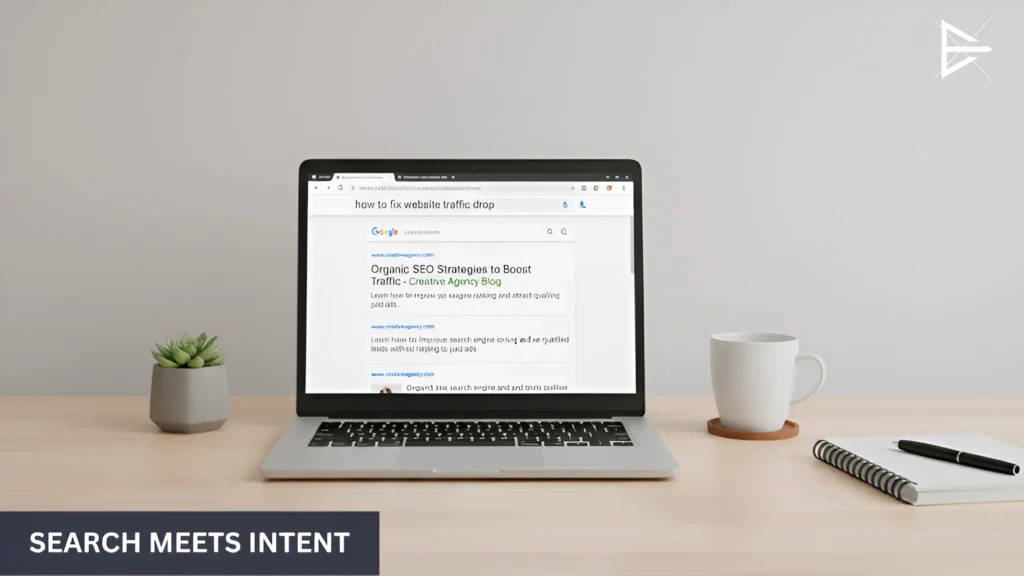
SEO is one of the main ways people discover businesses online without ads. It helps your site appear when someone is actively searching for answers, services, or solutions related to what you offer.
Without SEO, even a well-written website can remain invisible. With it, your business can show up at the exact moment someone is deciding what to do next, which makes organic growth possible.
What matters more than traffic when growing organically?
Trust matters more than traffic. A large number of visitors means very little if they do not understand your offer or feel confident reaching out.
Organic growth works best when the right people find you, not just more people. A smaller audience that trusts you often leads to better conversations and stronger results.
Do I need to publish content all the time?
No, publishing constantly is not required. What matters more is whether the content you publish answers real questions people actually have.
One clear, helpful page that addresses a common concern can outperform dozens of rushed posts. Consistency helps, but usefulness is what makes content work long-term.
What kind of content helps businesses grow without ads?
Content that explains problems, addresses common worries, and sets clear expectations tends to work best. This includes topics like pricing, timelines, mistakes to avoid, and what customers should expect.
When content reflects real conversations you already have with customers, it feels more natural and builds trust faster. People feel understood before they ever reach out.
Why does organic growth feel slow at the beginning?
Early progress is often subtle and easy to miss. You might see fewer inquiries, but they are more serious. Or you might notice people mentioning specific pages when they contact you.
Many businesses quit during this phase because results do not feel dramatic. Those that continue often see momentum build later in ways that feel steadier and more reliable.
Can a small business compete online without ads?
Yes, small businesses often compete well by being more focused and more personal. Clear messaging and helpful content can outperform bigger brands that rely on volume and spending.
You do not need to outspend competitors if you can explain your value better and speak directly to the people you serve.
Does a website really matter that much?
Yes, your website is often where people decide whether to trust you or keep looking. If it is unclear or confusing, visitors leave quickly.
A good website supports organic growth by answering questions, reducing hesitation, and guiding people toward the next step without pressure.
What causes most websites to fail at converting visitors?
Most websites fail because visitors cannot quickly understand what the business actually does or whether it can help them. When messaging is vague, overly clever, or buried too far down the page, people hesitate and leave.
Another common issue is the lack of a clear next step. If visitors have to search for a contact button, booking link, or clear instruction, most will not bother. A website should reduce thinking, not add to it.
How do reviews help with organic growth?
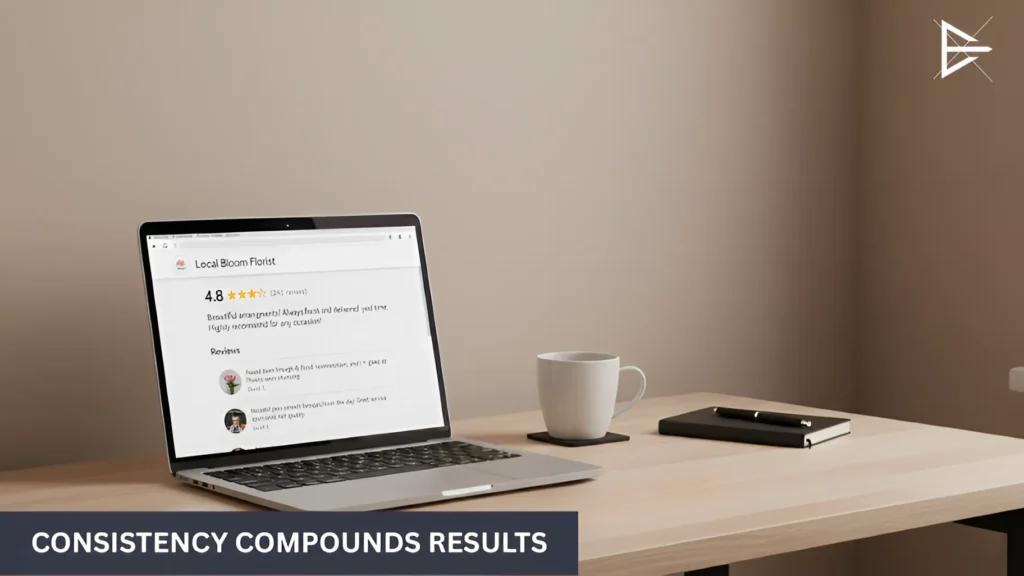
Reviews act as social proof that your business delivers what it claims. People read them to see how real situations were handled, not just whether others were happy.
Over time, reviews also reinforce trust across your entire online presence. They support search visibility, reduce hesitation, and make people more comfortable reaching out before they ever contact you.
Is a Google Business Profile important even without ads?
Yes. Even when people find your website through search or referrals, many still look up your business name to confirm legitimacy. Your Google Business Profile often becomes a second checkpoint.
If the profile looks active, complete, and reviewed, confidence increases. If it looks neglected or empty, doubt appears quickly, even if the website itself looks good.
Can old content still bring in leads?
Yes. Content that answers common questions or explains problems clearly often becomes more valuable over time, not less. As search visibility improves, older pages can continue attracting visitors without additional work.
This is one of the biggest advantages of organic growth. You build once, refine occasionally, and the content keeps supporting your business quietly in the background.
Why do problem-based searches matter?
Problem-based searches usually come from people who are already aware of an issue and are actively looking for a solution. These searches signal intent, not curiosity.
When your business shows up for these queries, conversations tend to start at a higher level. Visitors are closer to making a decision and often arrive with more focused questions.
Is organic growth more reliable than ads?
Over time, organic growth is often more reliable because it does not depend on continuous spending. Pages and visibility built through search and content do not disappear overnight.
Ads can create quick results, but organic growth creates stability. Once momentum builds, results tend to be easier to maintain and less affected by budget changes.
Do I need to be active on every platform to grow online?
No. Trying to maintain every platform usually leads to burnout and inconsistent quality. Most businesses benefit more from focusing on the places where their audience already looks for answers.
For many, that means search results and a strong website. A smaller, focused presence often performs better than being everywhere without direction.
What is the biggest mistake businesses make when avoiding ads?
The biggest mistake is spreading effort too thin. Trying multiple strategies at once without a clear plan often creates confusion and slows progress.
Organic growth works best when improvements build on each other. Focusing on a few core areas and refining them over time usually leads to better results.
Can referrals still matter in online growth?
Yes. Referrals remain one of the strongest trust signals because someone else has already done the vetting. People arrive with confidence instead of skepticism.
A strong online presence supports referrals by confirming what they were told. When the website and reviews match expectations, decisions happen faster.
Is organic growth worth it for service-based businesses?
Yes. Service businesses depend heavily on trust, clarity, and reputation. Organic growth supports all three by helping people understand what to expect before contacting you.
When prospects feel informed and confident early, conversations become easier and more productive. That often leads to better-fit clients and smoother engagements.
When does it make sense to get help with organic growth?
It usually makes sense to get help when effort feels scattered and progress feels unclear. Content exists, traffic exists, but results feel inconsistent or unpredictable.
Guidance can help identify what to focus on, what to fix, and what to ignore. The goal is not more work, but clearer direction and better use of effort over time.