Do all businesses really need a social media manager?
No, not all businesses need a social media manager. If social media is not a primary way customers find or choose you, managing it casually may still be enough. Many small businesses operate successfully with simple, occasional posting because their growth comes from referrals, repeat clients, or offline relationships.
A social media manager becomes more relevant once expectations change. When social media is expected to build trust, support visibility, or contribute to growth, handling it only when there is spare time often stops working. At that point, the need is less about posting and more about ownership.
How do I know if I’m ready to hire a social media manager?
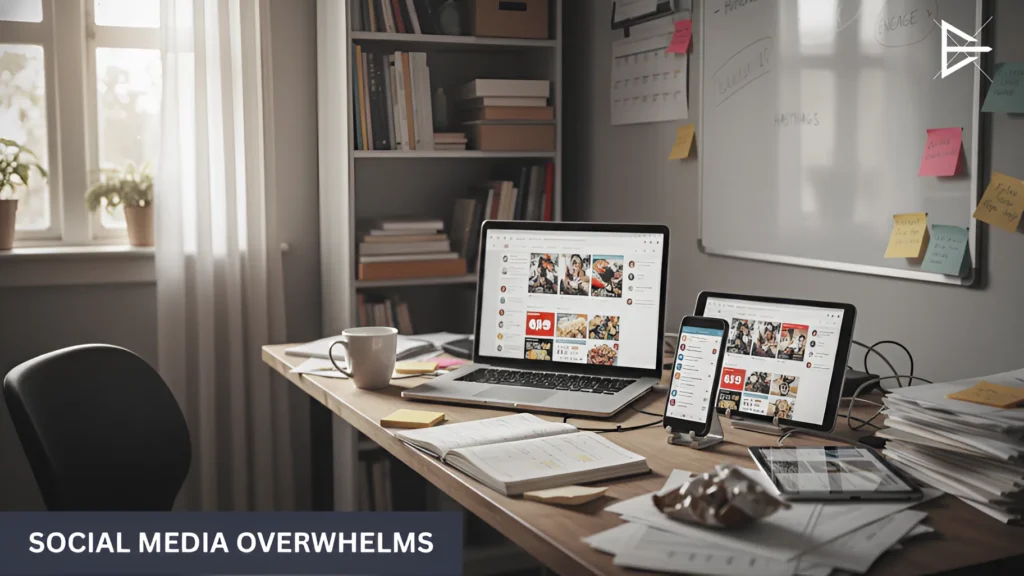
You are usually ready when social media feels harder to keep up with than it should. Posting becomes inconsistent, decisions feel unclear, and it takes more mental effort than expected just to stay visible.
Another strong sign is when you know social media matters, but you cannot give it steady attention. That gap between importance and execution is often the clearest indicator that support would help.
Is inconsistent posting really that big of a problem?
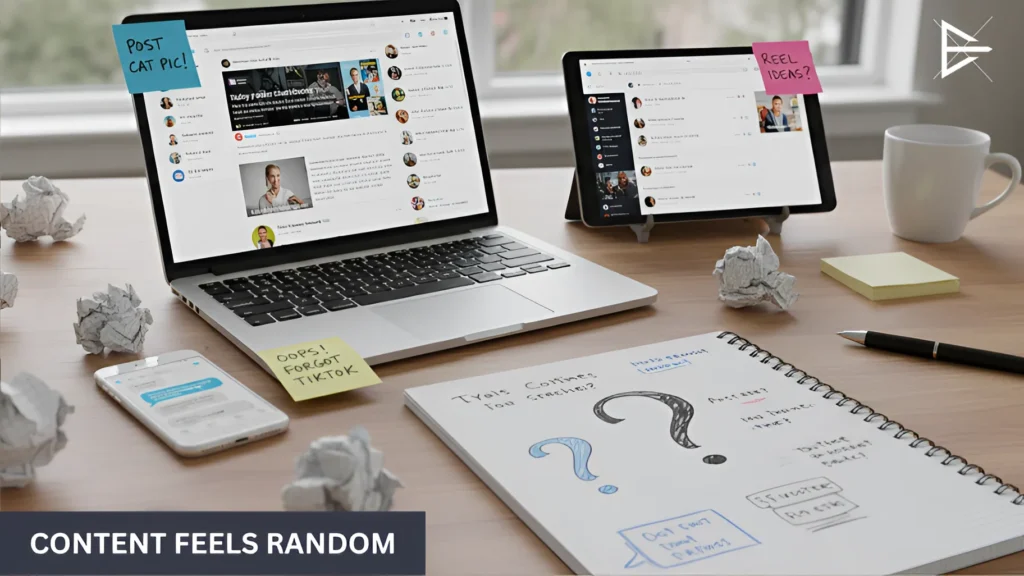
Yes, because inconsistency prevents anything from building over time. Even strong content struggles when it appears randomly and then disappears for weeks. People forget, engagement resets, and progress stalls.
Consistency helps social media compound. When posting is steady, visibility improves, patterns become clearer, and results have a chance to grow instead of restarting each time.
What’s the difference between posting regularly and having a strategy?
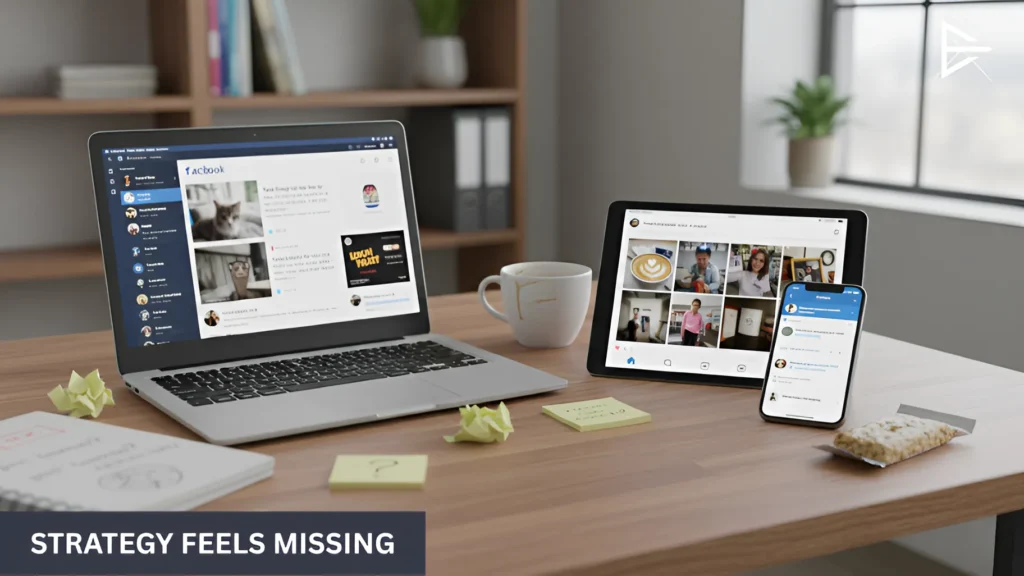
Posting regularly is about showing up. A strategy is about knowing why you are showing up and what each post is meant to support. Without that clarity, posting often turns into busy work.
A strategy helps you decide what to repeat, what to improve, and what to stop doing. It gives direction so content connects to real outcomes instead of just filling space.
Why do my posts get likes but no comments or messages?
Likes are passive and require little effort. Comments and messages usually happen when content feels relevant, timely, or invites a response. Without that, engagement stays shallow.
When posts do not guide people toward conversation or action, they tend to be acknowledged and then forgotten. This does not mean the content is bad, just that it lacks direction.
Does low engagement always mean my content is bad?
No. Low engagement can also mean content lacks consistency, follow-up, or clear intent. Even good ideas struggle when they are posted once and never reinforced.
Engagement often improves when content is connected and repeated over time. Results usually reflect structure and clarity more than raw creativity.
How much time does social media management actually take?
Social media management takes more time than most people expect. Planning content, writing posts, publishing, replying to messages, and reviewing performance all add up quickly.
When any part of that process is rushed or skipped, social media starts to feel scattered. Doing it well usually requires focused time, not leftover minutes.
Can I manage social media myself if I’m busy?
You can, but social media often becomes the first thing pushed aside when work piles up. Urgent tasks naturally take priority, even when social media is important.
This does not mean you are failing. It usually means social media needs clearer ownership if it is expected to stay consistent.
What usually gets missed when no one owns social media?
Planning and follow-through are often the first things missed. Messages, comments, and insights about what works also tend to slip through the cracks.
Over time, social media becomes reactive instead of intentional. That makes improvement harder and results less predictable.
Is it normal to feel burned out by social media?
Yes. Burnout often comes from uncertainty, not from posting itself. Constantly wondering what to post or whether it matters creates pressure.
Clear structure and direction usually reduce burnout more than posting less. When expectations are clear, social media feels lighter.
When does outsourcing social media make sense?
Outsourcing makes sense when social media is expected to support growth, but you no longer have the time or focus to manage it well. It is a capacity issue, not a failure.
The decision is less about business size and more about attention. When attention runs out, support becomes practical.
Do I need a social media manager if I’m still testing my offers?
Not necessarily. When offers, pricing, or messaging are still changing, social media will naturally feel unstable no matter who runs it.
Keeping control during this phase often makes adjustments faster and simpler. Structure usually works better once direction is clearer.
What should social media actually be doing for my business?
Social media should support the goals that matter most for your business. For some, it’s about building awareness making sure more people know your brand exists. For others, it’s about trust, engagement, or generating leads that turn into real opportunities. The key is knowing what you want social media to achieve.
Once you define that purpose, everything else becomes easier. Posting, messaging, and measuring results start to feel intentional rather than random, and you can focus on what actually moves the business forward instead of just staying active for the sake of it.
How do I know if social media is helping my business at all?
You can tell social media is helping when it leads to measurable actions: people engaging in meaningful ways, inquiries coming in, or consistent growth in visibility. If your posts just get likes or views with no real follow-up, that’s often a sign it’s not doing much for your business.
Another way to check is by connecting posts to results over time. If engagement, conversations, or website clicks increase when certain content is shared, that indicates social media is supporting your business. Without those signals, it’s hard to know what’s working and what isn’t.
Is social media supposed to feel this hard?
It often feels hard when it lacks structure or ownership. Guessing what to post every day, worrying about timing, and trying to track results without a plan creates stress and fatigue. That’s normal, but it can make social media feel heavier than it should.
When there is a clear plan, responsibilities, and direction, it becomes easier. The work feels manageable, and you can focus on creating content rather than constantly worrying if it’s helping the business.
What happens when social media finally has clear ownership?
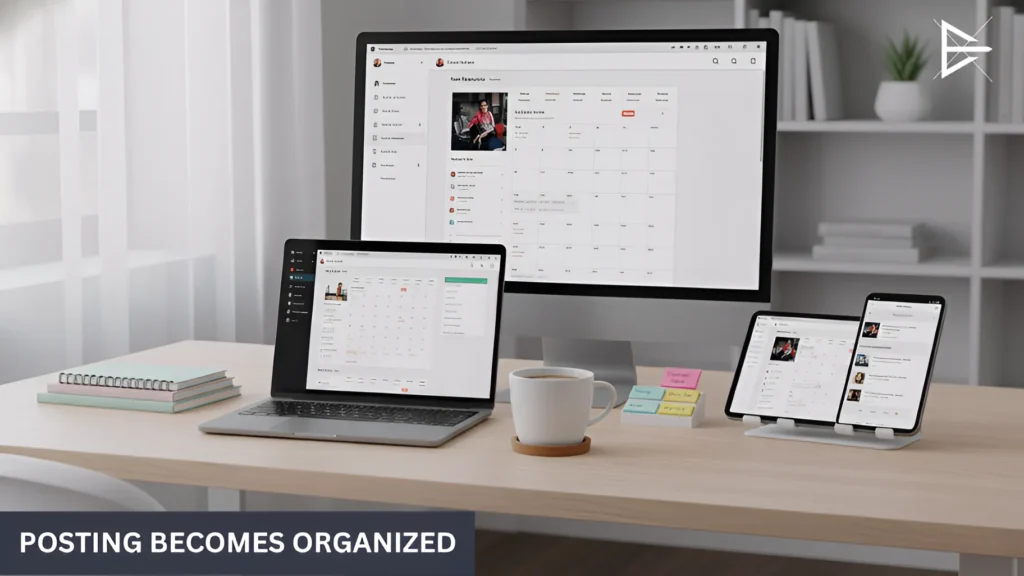
When someone takes ownership, posting becomes steadier and more consistent. You stop worrying about what to post each day because there’s a plan in place, and the process becomes predictable.
Ownership also makes it easier to measure what works. Over time, engagement improves because the content is consistent, intentional, and tied to real outcomes. Social media shifts from feeling like a chore to being a tool you can actually rely on.
Can a social media manager help reduce mental load?
Yes. One of the biggest benefits of having a dedicated manager is that you no longer carry the mental burden of planning, posting, and monitoring. Decisions about timing, messaging, and follow-up are handled, leaving you free to focus on other priorities.
This mental relief is often more valuable than the content itself. Even small businesses can benefit from having someone ensure social media stays organized, consistent, and aligned with business goals.
What if I hire help too early?
Hiring too early can sometimes make social media feel heavier instead of lighter. If your offers, messaging, or business priorities are still shifting, adding structure too soon can create unnecessary complexity.
It’s usually best to wait until you have a clearer picture of your goals and what social media is meant to achieve. Support works best when it matches the stage of your business, not before.
Is it okay to keep social media simple and low effort?
Absolutely. Social media doesn’t need to be overwhelming or perfectly polished to be effective. Simple, consistent posting often outperforms sporadic, high-effort content.
The key is aligning effort with business priorities. If social media is a minor part of your growth strategy, keeping it low effort can save time and energy while still providing value to your audience.
What’s the biggest sign I need help with social media?
The clearest sign is when social media feels like something you’re always behind on. Posts pile up, comments go unanswered, and the process feels stressful instead of helpful.
When this happens, it usually means social media has outgrown the time and attention you can give it. That’s the point where clearer ownership or support is often the most effective solution, not more effort from yourself alone.