From Followers to Clients

How to Turn Your Social Media Followers Into Paying Clients

Learn how to move followers from interest to trust, conversation, and action.


The Fast Answer (Start Here)

Having a lot of social media followers does not mean you are going to get clients. Followers show interest, not buying intent.

What actually turns followers into paying clients is a simple path that moves them from noticing your content to trusting you enough to take the next step. That path looks like this: attention → trust → conversation → action.

Most people get stuck because they focus on posting and growing, but never make it clear who they help, what problem they solve, or how someone should reach out. When those pieces are missing, even an engaged audience stays on the sidelines.

What You’ll Learn in This Guide

Step 1: Pick One Primary Platform (And One Backup)

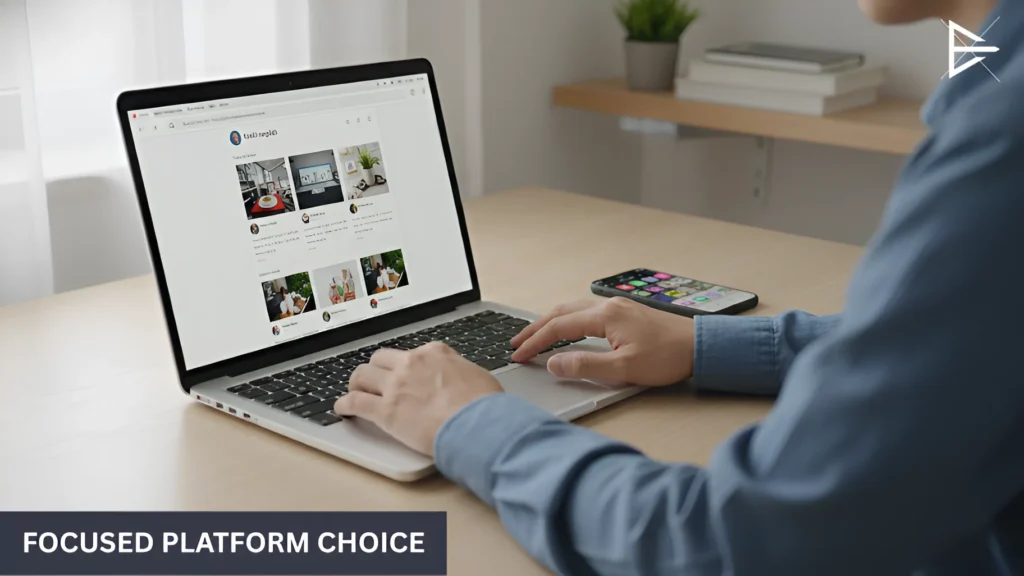
Person reviewing a single social media platform on a laptop, focusing on one primary channel for consistent client growth.

Trying to be active on every platform at once usually does more harm than good. What matters is showing up consistently where your potential clients already spend time.

Look for the platform where conversations related to your service are already happening. That is often where people:

● Ask questions you know how to answer
● Follow others who offer similar services
● Read comments and replies before reaching out
● Spend enough time to actually pay attention

When you focus on one main platform, everything becomes easier. You start to:

● Notice which topics spark real conversations
● See patterns in the questions people ask
● Get clearer feedback on what resonates and what does not

A backup platform can still play a role, but it should stay simple. Use it to:

● Re-share content that already worked
● Stay visible without creating extra work
● Catch the attention of people who prefer a different app

Step 2: Identify Exactly Who You Want as Clients

Person organizing content ideas and notes on a laptop to clearly define the type of client they want to attract.

Getting attention on social media is not the hard part. Getting attention from people who might actually pay you is.

This step is about being clear on who you want to work with. When your posts talk about problems people are already dealing with, they stop scrolling. Not because they feel called out, but because they do not want to keep wasting time on things that are not working.

Here is what usually makes those posts work:

● They point out a mistake people do not notice right away

These posts describe things that feel normal. Habits people follow because they have always done it that way. Seeing it written down makes them pause because it feels familiar.

● They explain what goes wrong if nothing changes

Not in a dramatic way. Just the slow stuff. Things take longer. Effort goes nowhere. Results feel harder to reach. That is often enough to get someone thinking.

● They clear up something people often get wrong

Many people think they know why something is not working, but they are looking at the wrong part of the problem. Good posts help them see it differently.

● They talk about real situations, not job titles

People connect to moments they are in, not labels. When a post sounds like something they are going through, it feels personal.

● They make the next step feel easy

When the problem makes sense, reaching out does not feel like a big decision. It feels like the next thing to try.

Step 3: Make Your Profile Convert

Laptop screen showing a clean social media profile layout designed to clearly explain services and encourage inquiries.

Most people decide what they think about your profile in a few seconds. If they cannot tell what you do or who you help, they move on. Your profile does not need to sound smart. It needs to make sense.

Here are the three things that matter most:

● Say clearly who you help and what you help with

One short line is enough. Avoid broad claims. If someone has to reread it to understand, it is too complicated.

● Show that real people trust you

This could be a short result, a quote from a client, or a simple mention of work you have done. It does not need to be perfect. It just needs to feel honest.

● Tell people what to do next

Pick one action and stick to it. Send a message. Book a call. Download something helpful. When there are too many choices, most people choose nothing.

Step 4: Post Content That Creates Buyers, Not Just Views

Person creating educational social media content on a laptop to build trust and credibility with potential clients.

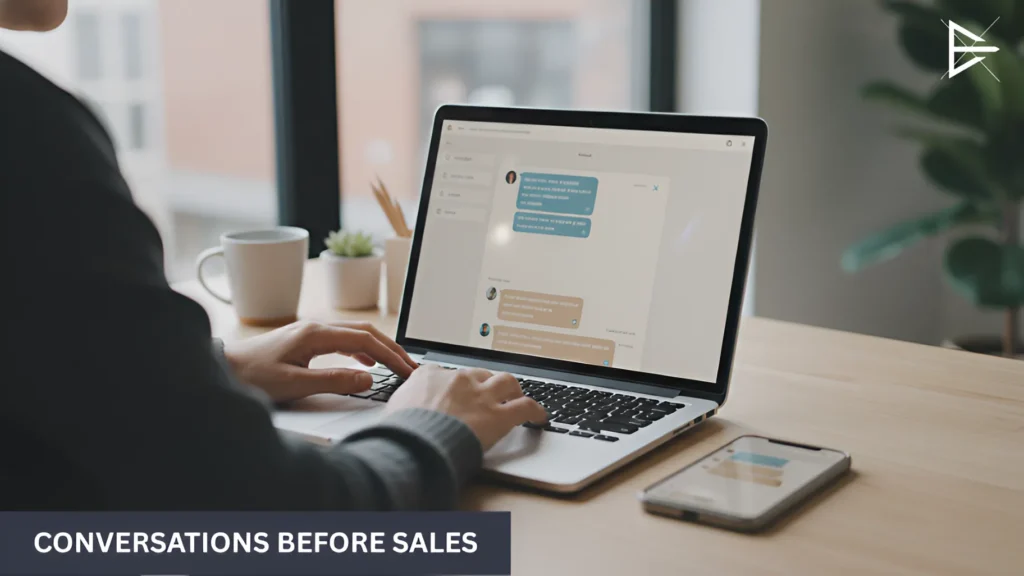
Most sales on social media start with a short back and forth. Not a link. Not a pitch. When someone comments or sends a message, they are showing a bit of interest. How you reply matters more than what you sell.

● A comment is usually an invite

People comment because something caught their eye. A simple reply or question keeps things moving and shows you are paying attention.

● Messages should sound normal

Skip the sales talk. Ask what they are working on or what made them reach out. When it feels like a real conversation, people stay.

● You will know if it is a good fit

As you talk, it becomes clear whether you can help. You hear what they need and how serious they are. When it makes sense to move forward, it feels easy.

Step 5: Start Conversations That Lead to Sales

Person responding to direct messages on a laptop, showing natural conversations that lead to client relationships.

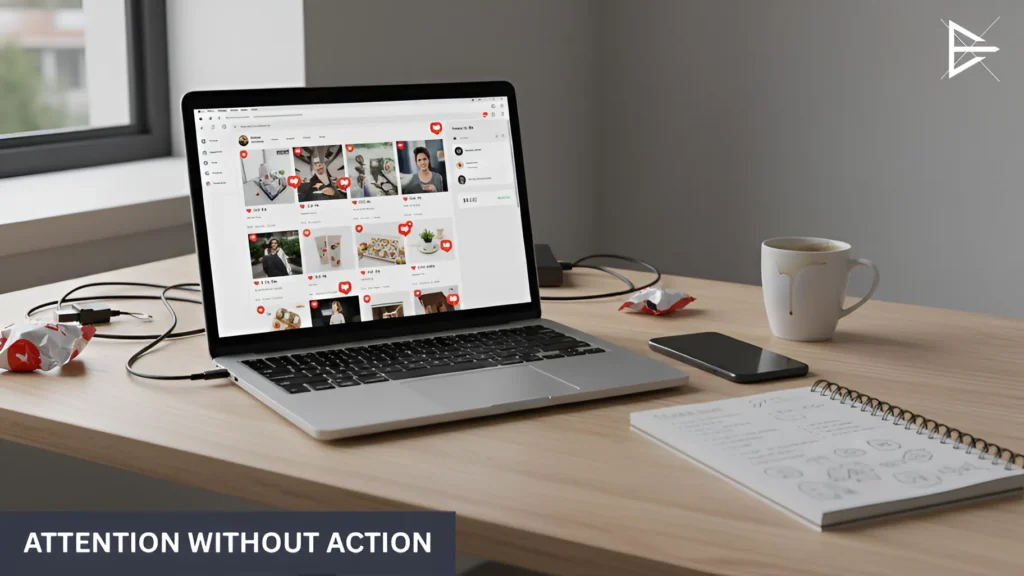
Most social media posts don’t fail because they’re bad. They fail because they are made to get attention, not results. A post can get plenty of likes and still bring in zero messages, calls, or sales.

Here’s where things usually go wrong:

● The post is made just to get reactions

Likes and comments feel good, but they don’t always mean someone is interested in buying. A post can be popular and still have no impact on the business.

● There’s no clear reason for the post

Many businesses post because they feel like they have to. When there’s no clear goal behind the post, the message feels random and easy to forget.

● It doesn’t connect to a real problem

People stop scrolling when they see something that feels familiar. If a post doesn’t reflect something they’re dealing with right now, it usually gets ignored.

● Nothing tells the reader what to do next

Even if someone is interested, they won’t always take action on their own. Without a simple next step, interest ends at the scroll.

Step 6: Use Trust Accelerators

Laptop displaying past work and results, showing social proof that helps potential clients feel confident reaching out.

Most people do not decide to work with you right away. They look around first. They read your posts. They notice what you share over time. What helps them feel safe reaching out is seeing proof that you are doing real work with real people.

● Share small results from real work

This could be something simple. A problem you helped someone fix. A small win from a project. Even a lesson you learned while
working with a client. These details show that your work is not just theory.

● Show what people say after working with you

A short message. A comment. A quick thank-you. It does not have to be long or polished. Hearing it from someone else feels more real than anything you could write yourself.

● Let people see how you actually work

Talk about what you are doing day to day. Share what you are fixing, testing, or improving. Show your process, not just the finished result. This helps people picture what it would be like to work with you.

Step 7: Give Followers a Reason to Take Action Now

Person reviewing a simple booking or availability calendar on a laptop to make the next step easy for clients.

Even when people trust you, most of them wait. They save the post. They tell themselves they will come back later. And then life gets busy. That is normal. A reason to act now does not mean pressure. It just means being clear.

● Say when you are actually available

If you only take a few clients at a time, say that. If your calendar fills up fast, say that too. People move faster when they know waiting has a cost.

● Be honest about timing

Maybe spots open once a month. Maybe you are booked for the next few weeks. Saying this helps people decide instead of putting it off.

● Give a small reason to move sooner

This can be extra time, extra help, or something simple you include for early sign-ups. It does not need to be big to matter.

● Keep the offer easy to understand

One offer. One outcome. One clear next step. When people have to think too much, they usually do nothing.

● Say it more than once

Most people do not see everything you post. Repeating your offer helps the right people catch it when the timing finally makes sense for them.

● Lower the first step

A short message. A quick call. A simple question. Small steps feel safer than big commitments.

Step 8: Capture Leads Off Social (Without Killing Momentum)

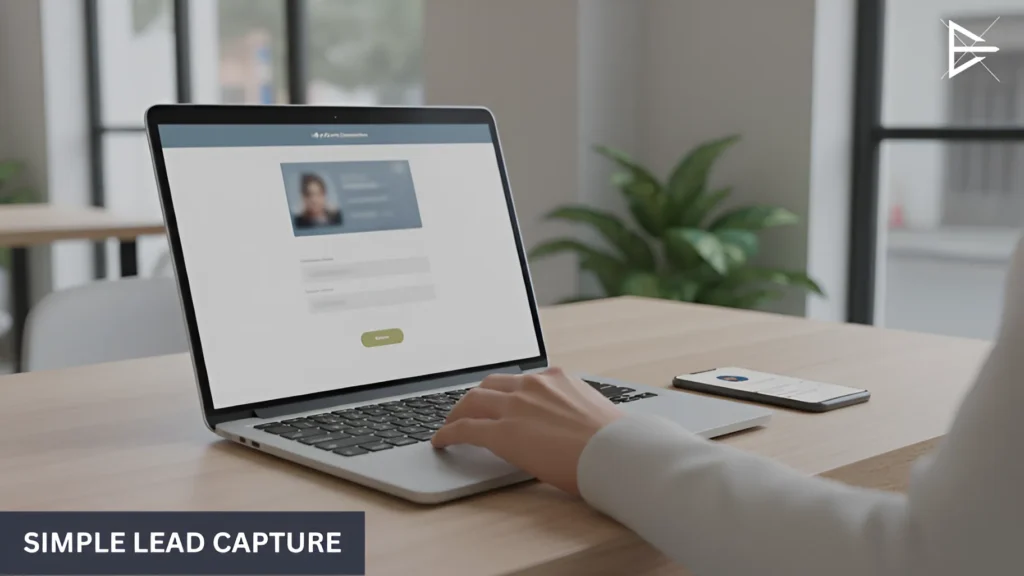
Laptop showing a simple signup or lead capture page connected to social media activity.

Social media moves fast. People scroll, get distracted, and forget. Even when someone likes your post, that interest can disappear quickly. That is why you need an easy way to stay connected.

● Offer one helpful thing

This should solve one small problem. A short guide, a checklist, or a quick review works well. It should feel useful, not like homework. If it takes too long to read, most people will skip it.

● Make it easy to find and click

Use one clear link in your bio or profile. Do not hide it. When someone clicks, they should know right away what they are getting and why it helps.

● Keep the page simple

No long pages. No extra links. Just explain what the free item is and how it helps. If people have to think too much, they will leave.

● Ask for very little

A name and email is usually enough. The more fields you add, the more people quit halfway through.

● Follow up in a helpful way

After they sign up, send a few short messages. Share tips. Answer common questions. Remind them what you help with. Do not push them to buy right away.

● Let them come back on their own time

Some people act fast. Others need time. Staying helpful keeps you top of mind when they are ready.

Step 9: Measure, Learn, and Optimize What Actually Converts

Person reviewing aligned profile, content, and messaging on a laptop to turn social media followers into paying clients.

Not everything that looks good is doing anything for your business. Likes and views can go up while nothing else changes. What matters is whether people are reaching out.

● Look at what people actually do

Pay attention to messages, replies, and calls booked. These are the signs that someone is interested enough to take a step.

● Notice which posts lead to questions

Some posts make people ask things. They comment. They send a DM. Those posts are worth paying attention to, even if the numbers are not huge.

● Listen to what people keep asking

When the same questions come up again and again, that is not random. It shows you what people care about and what they need help with.

● Repeat what leads to real interest

If something brings messages or inquiries, use that idea again. Say it a different way. Share another example. Do not overthink it.

● Stop worrying about numbers that do nothing

A smaller group of people who talk to you is more useful than a big audience that never does.

How I Can Help You Turn Followers Into Paying Clients

Laptop displaying a social media feed with likes and reactions, showing engagement that does not lead to customer action.

If you are posting often and still not getting clients, something is getting in the way. It is usually not one big mistake. It is small things that add up.

That is where I help.

● I check what people understand right away

I look at your profile the same way a new follower would. Can someone tell what you do in a few seconds, or do they have to guess? If it is confusing, most people leave without saying anything.

● I look at where interest drops off

Some people get views but no messages. Others get messages that never turn into work. I look at where people stop responding and what might be causing that.

● I help clean up mixed messages

Sometimes posts say one thing, the profile says another, and the offer says something else. That makes people hesitate. I help line things up so everything points in the same direction.

● I help make the next step obvious

Many people like what they see but do not know what to do next. Should they message you, book a call, or wait? I help set one clear step so reaching out feels simple.

● I help you focus on what actually brings clients

Instead of chasing new ideas all the time, I help you see what is already working. Then we do more of that and stop wasting time on things that go nowhere.

● I help you stop guessing

Guessing feels busy but rarely helps. I give clear direction so you are not changing your approach every week.

Final Thoughts

Turning followers into clients is not about doing everything at once. It is about a few things working together. The right people finding you. Trust building over time. And a clear way for someone to reach out when they are ready.

If your results are not there yet, that does not mean you failed. It usually means something small is unclear. Maybe your profile is confusing. Maybe your posts help but never invite a response. Maybe people are interested but do not know what to do next.

Take a step back and look at your social media like a stranger would. Is it clear what you do? Who you help? What the next step is? You do not need to fix everything today.

Frequently Asked Questions

Can you really turn social media followers into paying clients?

Yes, but it does not happen by accident. Followers become clients when they clearly understand what you do, trust that you can help, and know how to take the next step. Without those pieces, people may enjoy your content but never feel confident enough to reach out.

Most people struggle because they focus on growth instead of clarity. They keep posting and gaining followers, but nothing changes. When your content and profile guide people from interest to conversation, conversions happen more naturally and feel less forced.

Do I need a large following to get clients from social media?

No. A large following looks impressive, but it does not guarantee results. What matters more is whether the people following you actually have the problem you solve and the ability to pay for help.

Many service providers get steady clients from small audiences because their message is clear and specific. When the right people feel understood, they do not care how many followers you have.

Why do my posts get likes but no inquiries?

Likes usually mean someone enjoyed the post or agreed with it. They do not mean someone is ready to buy or reach out. This often happens when posts teach or entertain but never invite action.

If people like your posts but never message you, it is usually a clarity issue. They may not know you offer services, or they may not know how to take the next step.

What kind of content turns followers into clients?

Content that talks about real problems and real situations works best. People want to feel understood before they ask for help. When a post sounds like what they are dealing with, it gets their attention.

Over time, a mix of helpful explanations, real examples, and clear invitations to reach out builds trust. One post rarely converts on its own, but patterns do.

How often should I promote my services on social media?

You do not need to promote every day. But if you rarely talk about your services, people may assume you are not available or not serious about taking clients.

A simple mention of what you offer, shared consistently, is usually enough. Repetition helps people notice when the timing is right for them.

Is it better to sell in posts or in messages?

Posts help people decide if they trust you. Messages help people decide if they want to move forward. Both play different roles.

Most people feel safer asking questions privately. That is why many sales happen in messages after trust is built through posts.

What is the biggest mistake people make when trying to sell on social media?

Trying to speak to everyone. When content is too broad, it feels vague and easy to ignore. People do not see themselves in it.

Clear content attracts fewer people, but better ones. Those are the people who ask questions and become clients.

How long does it take to see clients from social media?

There is no fixed timeline. Some people see results quickly if their message is already clear. Others need more time to build trust.

Consistency matters more than speed. When people see you show up regularly with clear messages, results tend to follow.

Do I need paid ads to turn followers into clients?

No. Many people get clients using organic posts and conversations alone. Ads can help later, but they do not fix unclear messaging.

If your profile and content are confusing, ads will only send more people into confusion. Clarity always comes first.

What should my bio or profile say to attract clients?

Your profile should answer three things quickly. Who you help. What you help with. What someone should do next.

If someone has to think too hard or scroll to understand, most will leave. Simple words and short lines work best.

Should I use links or DMs to convert followers?

DMs usually work better because they feel personal. People like to ask questions before committing to anything, especially when services are involved. A message gives them space to explain their situation and feel heard before making a decision.

Links still play a role, but they work best as support. For example, you might use a link to book a call or share details after someone shows interest. When links come after a conversation instead of before it, conversions tend to feel easier and more natural.

How do I start conversations without sounding salesy?

The easiest way to start a conversation is to be curious, not convincing. Ask what the person is working on, what made them comment, or what problem they are trying to solve. Simple questions lower defenses.

When the focus is on listening instead of pitching, people relax. They stay in the conversation longer, and trust builds naturally. Sales usually happen later, once the conversation feels helpful instead of transactional.

What kind of proof builds the most trust?

Small, real examples build more trust than big claims. A short story about helping someone, a quick result, or honest feedback feels believable because it reflects real work.

People are good at spotting exaggeration. Proof works best when it feels normal and relatable. Showing progress, not perfection, often creates more confidence.

Do I need a lead magnet to get clients?

A lead magnet can help, but it is not required to get clients. Many people convert through conversations alone, especially if your content and profile are clear.

If you do use a lead magnet, keep it simple. It should solve one clear problem and be easy to use. The goal is to stay connected, not overwhelm someone with too much information.

What should I track to know if social media is working?

The most important things to track are actions. Messages, replies, and booked calls tell you whether people are interested enough to move forward.

Likes and views can be encouraging, but they do not always lead to results. When you focus on actions instead of numbers, it becomes easier to see what is actually helping your business grow.

Why do people show interest but never take action?

Most people hesitate when the next step feels unclear or too big. They may like your content and even trust you, but still feel unsure about what will happen if they reach out.

Clear offers and simple next steps reduce that hesitation. When people know exactly what to expect, taking action feels safer and easier.

Is it okay to repeat my offer on social media?

Yes, and it is often necessary. Most people do not see every post, and some need to hear the same message more than once before it clicks.

Repeating your offer in different ways improves clarity. It helps the right people notice when the timing finally makes sense for them.

Should I focus on one platform or many?

Focusing on one platform usually leads to faster results. It allows you to learn what works, stay consistent, and build real conversations.

Once you see results, expanding becomes easier. Trying to manage many platforms at once often leads to burnout and slower progress.

How do I know if my content attracts buyers or just followers?

Buyers engage differently. They ask questions, send messages, and talk about their problems in more detail.

Followers may like or save posts, but they rarely reach out. Both are useful, but buyers are the ones who move conversations forward.

What is the fastest way to improve conversions from social media?

The fastest improvement usually comes from clarity. Make it clear who you help, what you help with, and how someone can take the next step.

You do not need a full overhaul. Small changes, made consistently, often lead to better results than big changes done all at once.

About the Author

Harvie Ken Colonia

Hi, I’m Harvie!

I started working with SEO, websites, and online content in 2019. Over time, I noticed something that kept coming up. Many businesses were getting attention online, especially on social media, but that attention was not turning into real conversations or clients.

Most of the time, the issue was not effort. People were posting regularly and doing the work. The problem was clarity. It was not always clear who they helped, what they offered, or how someone should reach out.

This article comes from seeing that pattern again and again, and helping businesses make small changes that lead to more real inquiries instead of just likes.

If you want help spotting what might be getting in the way on your own social media, feel free to reach out and start a conversation.