What Makes Some Social Media Posts Actually Work

Easy Social Media Post Ideas That Bring in Real Customers

Learn which types of social media posts lead to real conversations, inquiries, and customers.


Quick Answer: What Social Media Posts Actually Bring in Customers

Social media posts that bring in customers usually help with a real problem. They speak to something people are already dealing with, not just something that looks good on a feed. Posts made only to get likes might get attention, but they rarely turn into messages, calls, or sales.

The posts that work best feel useful and honest. They explain something clearly, share a real result, or show how a problem gets handled. When people see content they can relate to, they start to trust the business behind it.

What You’ll Learn in This Guide

Why Most Social Media Posts Don’t Lead to Customers

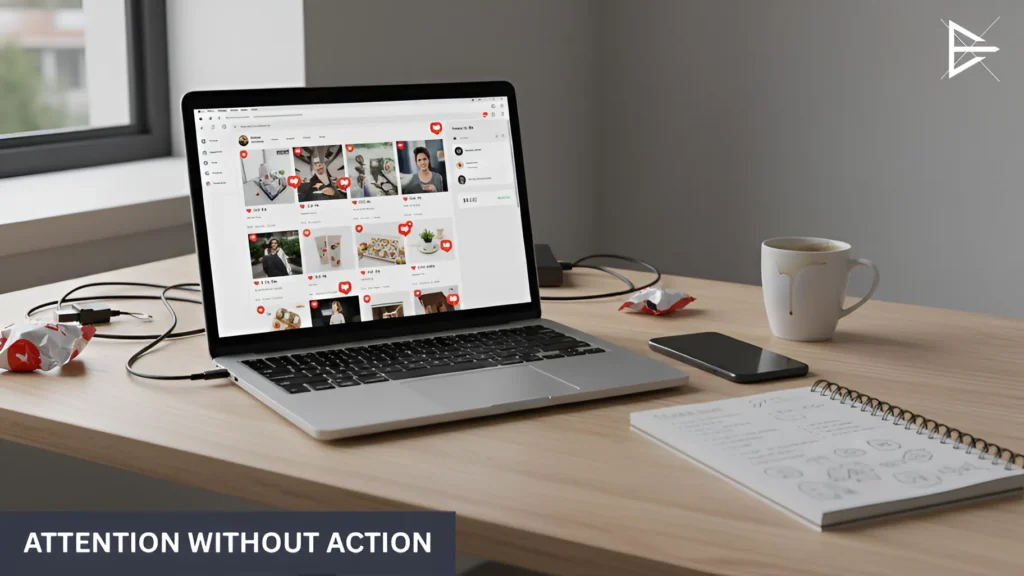
Laptop displaying a social media feed with likes and reactions, showing engagement that does not lead to customer action.

Most social media posts don’t fail because they’re bad. They fail because they are made to get attention, not results. A post can get plenty of likes and still bring in zero messages, calls, or sales.

Here’s where things usually go wrong:

● The post is made just to get reactions

Likes and comments feel good, but they don’t always mean someone is interested in buying. A post can be popular and still have no impact on the business.

● There’s no clear reason for the post

Many businesses post because they feel like they have to. When there’s no clear goal behind the post, the message feels random and easy to forget.

● It doesn’t connect to a real problem

People stop scrolling when they see something that feels familiar. If a post doesn’t reflect something they’re dealing with right now, it usually gets ignored.

● Nothing tells the reader what to do next

Even if someone is interested, they won’t always take action on their own. Without a simple next step, interest ends at the scroll.

Problem Solution Posts That Attract Buyers

Woman thinking through a problem while reviewing content on a laptop, connecting social media challenges with clear solutions.

Problem solution posts work because they talk about real situations people deal with every day. Instead of leading with what you sell, these posts start by pointing out a problem your audience already recognizes. When someone thinks, “That’s exactly what I’m dealing with,” they stop scrolling.

Here’s what makes these posts effective:

● They describe a problem people already know well

The post doesn’t try to educate from scratch. It names a frustration, mistake, or situation that feels familiar, which makes the message easier to connect with.

● They show you understand the situation

When the problem is explained clearly and simply, people feel like you’ve seen this before. That understanding builds trust without needing to say it directly.

● They show a clear way forward

The solution is explained in a practical way, not as a pitch. This helps people see that the problem can be handled and that there’s a better outcome.

● They let interest build naturally

Instead of pushing an offer, the post lets the reader connect the dots. When they need help, they already know who to reach out to.

Customer Results and Real Stories

Two professionals discussing results at a table with a laptop and tablet, reviewing outcomes from social media efforts.

Posts about customer results work because they show what really happened. Not promises. Not big claims. Just real outcomes from real people.

Instead of talking about how great your business is, these posts show the change. What was the problem before, and what’s better now.

They show the change clearly. People want to see what improved. That could be less stress, fewer issues, or better results.

They share real details. Simple facts make a big difference. A timeline, a small win, or a clear outcome helps the story feel real.

● They keep things short and honest. Long testimonials often feel forced. Short stories feel more natural and easier to believe.

● They build trust without hype. When the post sticks to what happened, people trust it more.

Behind-the-Scenes Posts That Build Trust

Designer working at a computer with creative tools visible, showing real behind-the-scenes social media work in progress.

Behind the scenes posts work because they show how the work really gets done. Not the final result, but the steps in between. This helps people understand what they are actually paying for.

What matters with these posts is what you show:

● Show the work as it happens

This could be setting something up, fixing an issue, or walking through a step. It does not need to be perfect. Real work builds more trust than a polished result.

● Let experience show naturally

You do not have to explain why you are good at what you do. When people see how you handle the work, they can tell.

● Explain small decisions

A short line about why you chose one option over another helps people see your thinking. That alone can make a big difference in trust.

● Skip posts that add no value

Photos or videos with no context do not help much. If a post does not show work or explain something, it is usually not worth sharing.

● Use openness to reduce doubt

When people see what happens behind the scenes, it feels less risky to reach out.

Educational “Save This” Posts With High Intent

Person holding a smartphone over a notebook and sticky notes, saving helpful social media tips for later reference.

Educational posts work because they help people right away. These are the posts someone saves because they know they will need it later. Not because it’s clever, but because it’s useful.

What makes these posts work is how simple they are:

● They give one clear tip or idea

The best posts focus on one thing. One tip, one reminder, one small lesson. When it’s easy to understand, people are more likely to save it.

● They answer questions people keep asking

If a post clears up something people are often confused about, it becomes a reference. That’s why these posts get bookmarked instead of forgotten.

● They help without trying to sell

When a post is just there to help, it builds trust naturally. People remember who helped them when they were trying to figure something out.

● They keep things simple

Short steps. Plain words. No extra details. When a post feels easy to read, people actually finish it.

Mistake or Myth-Busting Posts That Create Urgency

Man reviewing notes and a phone beside a laptop, adjusting social media plans after spotting small mistakes.

Mistake and myth-busting posts work because they make people pause and think. When someone realizes they might be doing something wrong, they pay attention. Not because they feel attacked, but because no one wants to waste time or effort.

Here’s what makes these posts effective:

● They call out a mistake people don’t realize they’re making

These posts focus on habits or beliefs that feel normal to the audience. Things people do because they’ve always done them that way. When they see it written out, it clicks.

● They explain why the mistake matters

The post shows what goes wrong over time. Maybe results are slower. Maybe effort is wasted. Maybe opportunities are missed. This helps people see the cost without using fear.

● They clear up a common misunderstanding

Many myths spread because they sound logical at first. A good post explains why that idea is incomplete or outdated, using plain language.

● They show a better option without pressure

Instead of saying “this is wrong,” the post says “here’s what works better.” That shift makes people more open to change.

● They stay supportive, not critical

The tone matters. When the post feels like guidance instead of correction, people are more likely to listen and trust the advice.

How Often to Post These Without Burning Out

Business owner working calmly at a desk with a laptop and notebook, maintaining a steady social media routine without stress.

You don’t need to post every day for social media to work. In fact, trying to do that is one of the fastest ways to burn out. What matters more is posting content you can keep up with.

Here’s a more realistic way to think about it:

● Post as often as you can handle long term

For most businesses, that’s one to three good posts a week. Something you can keep doing even when things get busy.

● Showing up regularly matters more than posting a lot

People don’t expect constant posts. They notice when you show up consistently. A steady pace builds trust over time.

● Use the same content more than once

A strong post doesn’t have to disappear after one day. You can reshare it later, reword it, or turn it into another format. That saves time and effort.

● Stick to a few post types you know work

When you repeat the same types of posts, planning gets easier. You spend less time guessing and more time posting with purpose.

How I Can Help Make Social Media Easier

Two people reviewing social media content together on a laptop, planning posts with guidance and clarity at a shared desk.

Most business owners don’t get stuck because they have no ideas. They get stuck because posting feels unclear. They’re not sure what to post, if it’s working, or if it’s even worth the effort. That’s where I help. I help make social media simpler and more focused, so posting doesn’t feel like guesswork.

Here’s how I usually help:

● I help you figure out what to post

Instead of random ideas, we focus on posts that actually make sense for your business and your audience.

● I help you understand why each post matters

When you know the purpose of a post, it’s easier to write it and easier to stay consistent.

● I help reduce how much you need to post

You don’t need to be everywhere or post every day. A few clear, useful posts go a long way.

● I help keep the focus on real results

The goal isn’t likes for the sake of likes. It’s content that helps people understand what you do and feel comfortable reaching out.

● I help take the pressure off

Social media doesn’t need to be perfect. Clear and helpful works better than polished and forced.

Final Takeaway: Fewer Posts, Better Results

You don’t need to post every day for social media to work. What matters more is posting with a reason. When each post has a clear purpose, it does more than fill space on a feed.

A few strong posts that help people understand something, avoid a mistake, or see real results will always outperform posting nonstop with no direction. Those are the posts people remember. They are also the posts that lead to real conversations.

Frequently Asked Questions

What type of social media posts bring in real customers?

Posts that bring in real customers usually help with something specific. They talk about a problem people recognize, explain something clearly, or show what actually happened for someone else. These posts feel useful, not promotional, which makes people more open to them.

When a post helps someone understand an issue or avoid a mistake, it builds trust. Over time, that trust turns into messages, calls, or inquiries because people already feel comfortable with the business behind the post.

Why do my social media posts get likes but no inquiries?

Likes are a sign that people noticed your post, not that they are ready to take action. Many posts are designed to be easy to react to, but they don’t give people a reason to reach out.

To get inquiries, posts need direction. They should connect to a real need and gently guide the reader toward a next step, even if that step is just learning more or asking a question.

Do I need to post every day to get customers from social media?

No, posting every day is not required. In fact, posting too often can lead to rushed content that doesn’t help anyone. Quality matters more than frequency.

A few strong posts that are clear and helpful will outperform daily posting with no plan. What matters most is choosing a pace you can keep without burning out.

What is the best posting frequency for small businesses?

For most small businesses, one to three posts per week is enough. This gives you time to think through what you are posting instead of rushing just to stay active.

A steady rhythm also helps your audience know what to expect. Consistency builds familiarity, which is more important than posting often.

How do problem-solution posts help attract buyers?

Problem-solution posts work because they start with something familiar. When someone sees a problem they are already dealing with, the post feels relevant right away.

By explaining a clear way forward, these posts position your business as helpful. You’re not selling. You’re showing that you understand the issue and know how to handle it.

Are educational posts better than promotional posts?

Educational posts usually perform better over time because they build trust first. They help people learn something or see things more clearly, which makes your business feel reliable.

Promotional posts still have a place, but they work best after trust is built. When people already find your content helpful, promotions feel more natural and less pushy.

What makes a social media post feel trustworthy?

Posts feel trustworthy when they are clear, honest, and easy to understand. Simple language and real examples go a long way.

Overly polished posts or vague claims often create doubt. People trust content that feels real and grounded in experience.

How long should a social media post be to convert customers?

There is no perfect length. Some short posts work well, while others need a bit more explanation. What matters is getting to the point.

If a post explains one idea clearly without extra words, it has a better chance of being read and remembered.

Should I use calls to action in every post?

Not every post needs a strong call to action. Pushing action too often can feel forced and turn people away.

Simple next steps like saving a post, thinking about a tip, or asking a question are often enough to keep people engaged.

Why do customer stories work so well on social media?

Customer stories work because they show real outcomes. People want to see what changed, not just hear claims.

When someone sees a story they relate to, it becomes easier to imagine getting the same result. That makes reaching out feel safer.

Do behind-the-scenes posts really help with sales?

Yes, behind-the-scenes posts help because they reduce uncertainty. Many people hesitate to reach out because they don’t know what working with a business actually looks like. Showing the process answers those unspoken questions.

When people understand how work is done and how problems are handled, trust builds naturally. That trust makes it easier to move from watching your content to starting a conversation.

What kind of behind-the-scenes content should I avoid?

Behind-the-scenes content without context usually doesn’t help. Random photos or videos may get views, but they rarely build understanding.

If a post doesn’t show work, explain a step, or help someone feel more informed, it’s likely filler. Useful context makes all the difference.

Why do “save this” posts perform well?

“Save this” posts perform well because they solve small, real problems. People save content when they know they’ll need it later.

These posts also extend your reach over time. Even if someone doesn’t act right away, saved posts keep your business top of mind.

How do myth-busting posts create urgency?

Myth-busting posts help people realize they may be wasting time or effort. That realization naturally creates urgency.

By explaining a better approach calmly, these posts encourage action without pressure. They help people make changes sooner.

How do I correct mistakes without sounding negative?

Focus on guidance instead of correction. Explain what works better and why, rather than pointing out what someone did wrong.

A supportive tone makes people more open to learning and builds trust instead of resistance.

Can old posts be reused instead of creating new ones?

Yes, and they should be. Most people don’t see every post the first time, so resharing strong content helps it reach more people.

Old posts can also be updated or repurposed into different formats. This saves time and keeps messaging consistent.

How do I know which post types work best for my business?

Look at what leads to conversations, not just likes. Messages, questions, and meaningful comments are stronger signals.

Over time, patterns appear. The posts that spark real interaction usually show what your audience values most.

Is social media still effective for getting customers in 2026?

Yes, but only when used with intention. Random posting or trend chasing rarely works long term.

Social media works best when content is clear, helpful, and focused on real needs instead of appearance.

What should I focus on first if my social media feels overwhelming?

Start by simplifying. Pick one or two post types that are easy to create and useful for your audience.

Once posting feels manageable, consistency improves naturally and results become easier to track.

When should I consider getting help with social media?

If posting feels confusing, inconsistent, or draining, help can make a difference. Many businesses struggle because they lack direction, not effort.

With a clear plan, social media becomes easier to manage and more effective at supporting business goals.

About the Author

Harvie Ken Colonia

Hi, I’m Harvie!

I started working in digital marketing in 2019. One thing I noticed early on was that a lot of businesses were posting on social media without seeing real results. There were likes and views, but very few messages or customers coming from it.

Over time, I focused more on helping businesses simplify their social media. That means figuring out what’s actually worth posting, what helps people understand the business, and what builds enough trust for someone to reach out. The goal isn’t to post more. It’s to post with a clear reason.

If social media feels confusing or like something you’re just guessing at, that’s common. My approach is about making it practical and manageable, so it supports your business instead of taking up time without results.