What makes a logo easy to remember?
A logo is easy to remember when it is simple and clear. People should be able to recognize it quickly without needing to stop and think about what it means. When a logo feels obvious instead of complicated, it is more likely to stay in someone’s mind. Clear designs are easier for the brain to process.
Simple shapes, clean lines, and one clear idea all help make a logo memorable. When there are fewer details, people can focus on what matters most. If someone can recall your logo after seeing it only once or twice, that usually means the design is working. Memorability is a strong sign of an effective logo.
Why is a logo important for a business?
A logo is important because it helps people recognize your business wherever they see it. It acts as a visual symbol that connects customers to your brand. Even without words, a logo can remind people who you are. This makes it easier for customers to remember you later.
Over time, a logo becomes familiar to your audience. Familiar brands often feel more trustworthy and stable. When people see the same logo again and again, it builds confidence in the business. That trust can influence buying decisions.
How simple should a logo be?
A logo should be simple enough to understand at a glance. If people need extra time to figure it out, the design may be too complex. Simple logos work better in fast-moving spaces like social media and ads. They also reduce confusion.
Simplicity helps a logo stay clear at different sizes. A simple design is easier to remember and easier to reuse. It also works better across different platforms. Simple does not mean boring, it means focused.
Can a logo have too many details?
Yes, a logo can have too many details. Small details often disappear when the logo is used at smaller sizes. This can make the logo look messy or unclear. When details are lost, recognition suffers.
Reducing details helps improve clarity. A clearer logo is easier to read and easier to recognize. When only important elements remain, the logo becomes stronger. Strong logos communicate more with less.
How do I make my logo stand out from competitors?
A logo stands out when it looks different from others in the same industry. Many businesses use similar colors, shapes, and styles. This can cause brands to blend together. Standing out helps people tell brands apart.
To stand out, focus on what makes your business unique. Choose design elements that reflect your brand instead of copying trends. Original choices make a logo feel intentional. Intentional logos are easier to remember.
Should my logo follow design trends?
Design trends change quickly and often fade within a few years. A logo that follows trends too closely can feel outdated fast. This can lead to frequent redesigns. Frequent changes can weaken brand recognition.
Focusing on strong ideas instead of trends helps logos last longer. Timeless logos age better over time. They also feel more stable and trustworthy. Long-lasting logos support consistent branding.
How do I know if my logo fits my brand?
A logo fits your brand when it feels right for your business. It should match your values, tone, and audience. When people see it, it should make sense. A good fit feels natural, not forced.
If a logo feels confusing or off, it may not reflect your brand clearly. Misaligned logos can send mixed messages. Clear branding helps customers understand who you are. Understanding builds trust.
What colors work best in logos?
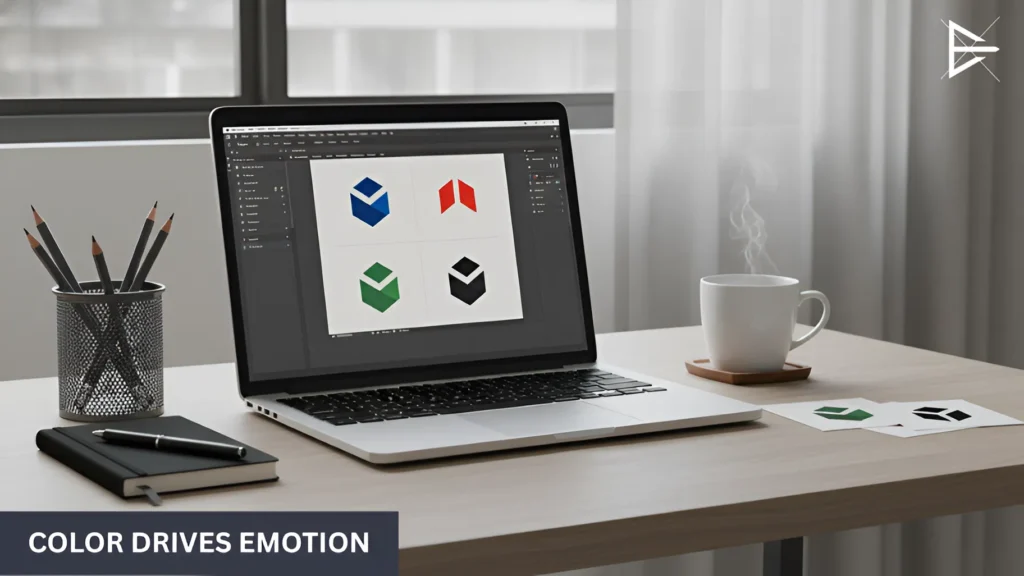
There is no single best color for all logos. Different colors create different feelings and reactions. The right color depends on your brand’s message. Color choice should support your goals.
Some colors feel calm, while others feel bold or friendly. Choosing colors that match your brand helps set the right mood. A good color choice makes the logo feel natural. Natural logos are easier to like.
Do colors really affect how people see a brand?
Yes, color affects how people feel almost instantly. Most people react to color before they read any text. This reaction happens without effort. It shapes first impressions quickly.
That first feeling can influence trust, comfort, and interest. A color that feels right can make a brand feel welcoming. A color that feels wrong can push people away. This makes color a key part of logo design.
How many colors should a logo use?
Most strong logos use one to three colors. Fewer colors make the logo easier to recognize. They also make the design easier to manage. Simpler color palettes reduce confusion.
Using too many colors can make a logo feel busy. Busy designs are harder to remember. Fewer colors help keep branding consistent. Consistency improves recognition over time.
Why does font choice matter in a logo?
Font choice affects how easy a logo is to read. If people struggle to read it, they may skip it. Poor readability hurts memorability. Readable logos perform better.
Fonts also communicate personality. Some fonts feel serious, others feel friendly or playful. The right font supports your brand’s tone. Tone helps people understand your business faster.
Should a logo use fancy fonts?
Fancy fonts can look creative, but they often reduce clarity. Hard-to-read fonts slow people down. Slower recognition leads to weaker recall. Weak recall hurts branding.
Simple fonts are usually easier to read. They work better at small sizes and on screens. Simple fonts are also more flexible. Flexibility helps long-term use.
What makes a logo versatile?
A versatile logo works well in many places. It should look good online and in print. It should also work on signs, cards, and ads. Versatility makes branding easier.
The logo should stay clear when resized. It should also work on different backgrounds. Logos that adapt well are easier to use. Easy use keeps branding consistent.
How do I test if my logo works everywhere?
View the logo at very small sizes. Then look at it at large sizes. Make sure it stays clear in both cases. Clarity should not be lost.
Test the logo on light and dark backgrounds. Try it on screens and on paper. This shows how it performs in real use. Testing prevents future problems.
Why is it bad to change logos often?
Changing logos often can confuse customers. When people see different logos, recognition drops. Recognition is key to branding. Losing it weakens trust.
Keeping the same logo builds familiarity. Familiar brands feel more reliable. Reliability increases confidence. Confidence supports long-term growth.
How long should a logo last?
A good logo should last many years. It should still feel right as the business grows. Growth should not break the design. Strong logos adapt well.
Logos built on clear ideas usually last longer. Trend-based logos fade faster. Long-lasting logos support consistency. Consistency builds recognition.
Can a small business benefit from good logo design?
Yes, a strong logo helps small businesses look professional. Professional appearance builds credibility. Credibility matters for first impressions. First impressions influence trust.
A clear logo also helps small businesses stand out. Standing out helps people remember you. Memorability helps growth. Growth supports long-term success.
Is it okay to redesign an old logo?
Yes, redesigning is fine when a logo no longer fits. Businesses change over time. Logos should reflect those changes. Updates can improve clarity.
Small updates are often better than full changes. Careful redesign keeps recognition. Recognition should not be lost. Balanced updates work best.
Should I design my logo myself or get help?
Some business owners design their own logos. This can work for simple needs. However, it often takes more time than expected. Mistakes are common.
Getting help can save time and stress. Professionals understand design basics. This leads to stronger results. Strong results last longer.
What is the biggest mistake people make with logos?
The biggest mistake is trying to include too many ideas. Too many elements cause confusion. Confusion weakens recognition. Weak recognition hurts branding.
Strong logos focus on one clear message. Clarity makes logos easier to remember. Simple messages stick better. Better recall leads to stronger brands.