How does good website design build trust with visitors?
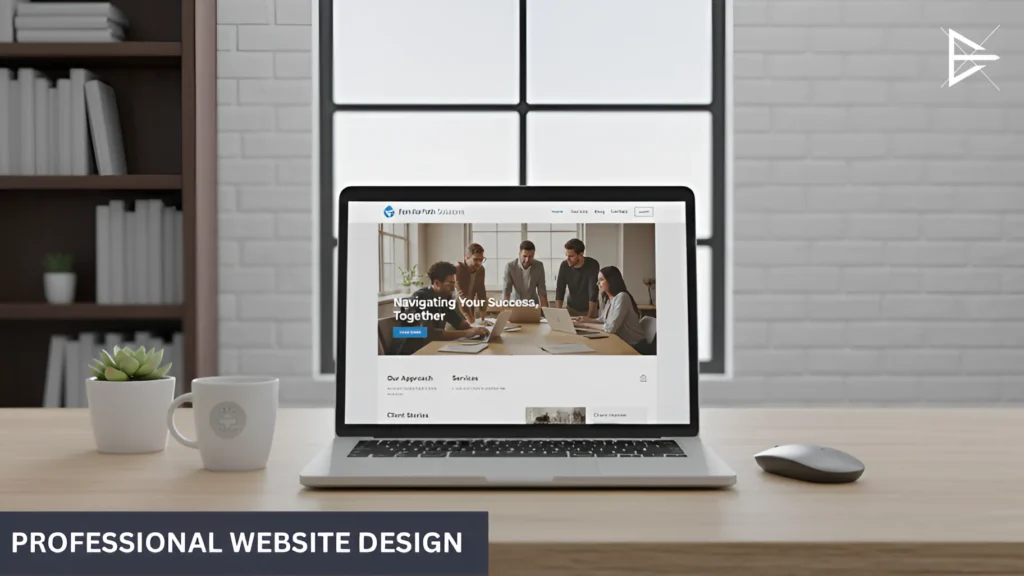
Good design builds trust by offering a positive first impression and making your website feel professional and reliable. It helps visitors feel confident and encourages them to stay on your site longer.
A clean, easy-to-use website shows that you value the user experience, which leads to greater trust and more engagement. Visitors are more likely to take action when they feel comfortable and trust your business.
Why is the first impression of a website so important?
The first impression sets the tone for a visitor’s experience. If your site looks clean and professional, it signals that your business is trustworthy. A messy, outdated design can cause doubt and lead visitors to leave.
Visitors decide within seconds whether they trust your business. A well-organized, polished design helps them feel confident and makes them more likely to engage with your services or products.
What role does website layout play in building trust?
A clear, well-organized layout helps visitors quickly find what they need, which shows that your business is efficient and user-friendly. It makes users feel comfortable and reduces frustration.
On the other hand, a cluttered or confusing layout can lead to doubt. Visitors are more likely to trust your business if the layout is straightforward and intuitive.
How does consistency in design affect customer trust?
Consistency across your website—like using the same colors, fonts, and layout—makes your business seem organized and professional. It helps build familiarity, which creates a sense of reliability and trust.
When users see the same design throughout their experience, they feel more comfortable and confident in your business. Inconsistent design, however, can make them feel uncertain and cause them to leave.
Can poor design hurt my business’s credibility?
Yes, poor design can damage your credibility. A website that looks outdated or is hard to navigate can make visitors question your professionalism and the quality of your business.
A messy, confusing design creates doubt. Visitors may assume your business is disorganized, which hurts your ability to gain their trust and can lead to a loss of potential customers.
How does eye-friendly design impact trust?
Eye-friendly design makes your website easier to use. When fonts are clear, the layout is simple, and there’s enough space, visitors can quickly understand your message, which builds trust.
A clean design reduces confusion and helps visitors feel more comfortable. If your site is hard to read or navigate, users may feel frustrated and question the reliability of your business.
Why does transparency in website design matter?
Transparency shows that you are honest with your visitors. When your website provides clear and easy-to-find information, visitors feel that they can trust you. Transparency removes uncertainty and helps visitors feel more at ease.
By presenting information clearly and without hidden details, your website shows that you have nothing to hide. This openness helps build trust and makes users more likely to engage with your business.
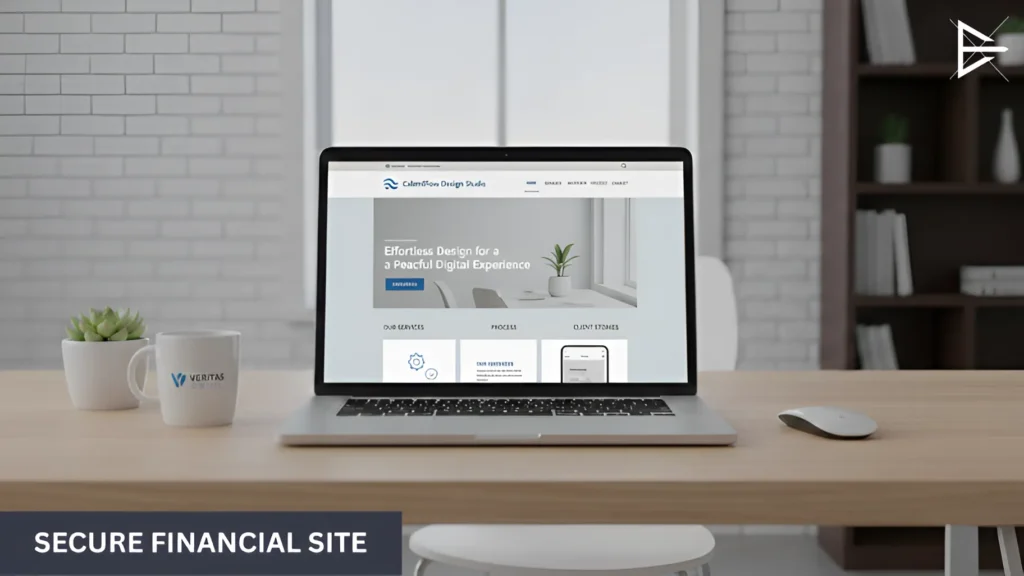
How does secure website design build customer trust?
Secure design signals to visitors that their personal information is safe. Visible security features, like HTTPS and secure payment methods, reassure visitors and make them feel more comfortable sharing their data.
When users see that your website is secure, it builds trust and confidence. They’re more likely to proceed with purchases or contact you when they know their information is protected.
What are the key elements of a trustworthy website design?
A trustworthy website design includes a **clean layout**, **easy navigation**, and **clear calls to action**. These elements make the site more **user-friendly** and help visitors trust that your business is professional and organized.
Additionally, adding **security features** like HTTPS and ensuring your contact information is easy to find all help to create a **reliable, trustworthy site** that visitors can feel confident in using.
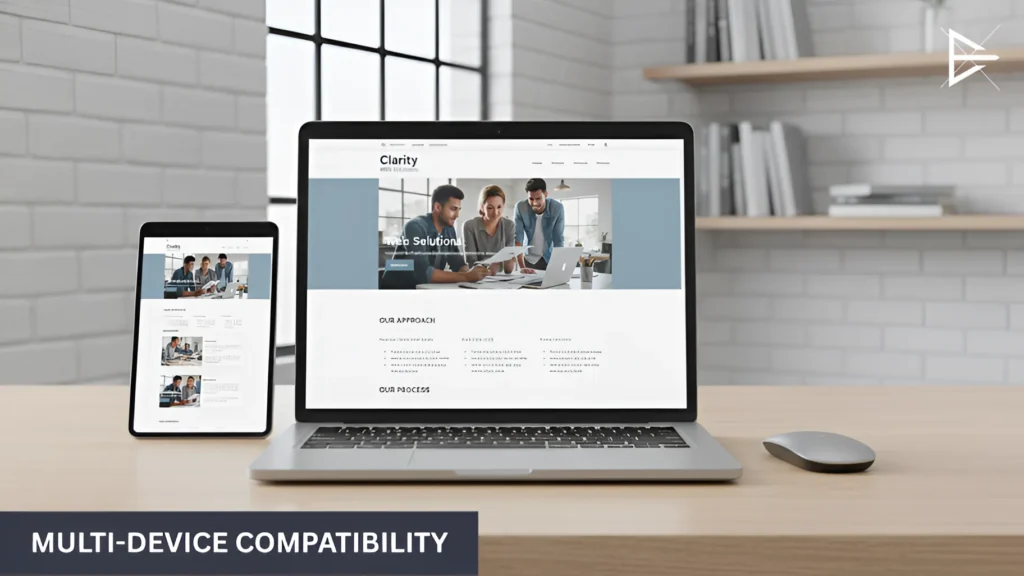
How does mobile-friendly design affect trust?
Mobile-friendly design shows that you value all users, whether they’re on a desktop or phone. A responsive design that works well on all devices ensures visitors can easily navigate your site, no matter how they access it.
When a website doesn’t function well on mobile, it can frustrate visitors and cause them to doubt your business’s reliability. A smooth mobile experience helps visitors feel that your business is **modern** and **trustworthy**.
Why does website speed matter for trust?
Website speed affects trust because users expect fast-loading sites. If your website is slow to load, visitors may assume your business is **disorganized** or **unreliable** and leave before interacting with your content.
Fast websites create a **better user experience**, showing visitors that you value their time. A quick-loading site also builds **confidence** in your business, as visitors feel they can rely on your service without delay.
How can a clean design improve my website’s credibility?
A clean design makes your site feel **professional** and **organized**. It helps visitors quickly find what they need and builds a positive impression of your business. A polished site indicates that you care about the customer experience.
If your site is cluttered or hard to navigate, it can cause visitors to question your business’s reliability. A **clean, simple design** shows your business is trustworthy and capable.
How do I know if my website design is affecting my conversions?
If visitors aren’t taking action—like signing up, buying something, or reaching out—it could be a sign your design isn’t working. Take a look at how easy it is for users to find what they need and whether your calls to action are clear.
A site that’s hard to navigate or lacks clear direction can make visitors hesitate. A **well-designed site** makes it easy for them to engage and take action, improving conversion rates.
What’s the connection between trust and website conversions?
Trust and conversions go hand in hand. If visitors trust your site, they’re more likely to take action, whether it’s making a purchase or filling out a form. **Trust-building design** reduces hesitation and helps visitors move through the process smoothly.
When your site feels secure and reliable, visitors feel confident in making decisions. That trust leads to higher **conversion rates**, turning more visitors into customers.
Can I improve customer trust with small design changes?
Yes! Small updates like simplifying the layout, updating **images**, or improving **navigation** can make a big difference in how trustworthy your site feels. Even simple changes like **font size** and **contrast** can improve readability and user experience.
These small adjustments can significantly improve your site’s **professionalism** and **credibility**, helping visitors feel more confident about engaging with your business.
What are some easy design fixes to make my website more trustworthy?
Start by cleaning up your layout and removing unnecessary clutter. **Update images** to look more professional, and use **consistent fonts** across the site. Also, make sure your site is **mobile-friendly** for a smoother user experience.
Adding **clear calls to action** and ensuring that your **security features** are visible will help visitors feel more at ease. These simple changes can go a long way in building trust with your audience.
How does simplicity in design create trust?
Simplifying your design makes it easier for visitors to understand and use your site. **Clean layouts** and easy-to-read fonts help visitors navigate quickly without frustration, which builds trust in your business.
A **simple, streamlined design** also makes your business appear more **professional** and **reliable**. It shows visitors that you care about providing a good experience, making them feel confident about engaging with your business.
What role does your website’s visual appeal play in trust?
The **visual appeal** of your website reflects your business’s professionalism. When your site looks polished, modern, and **well-designed**, visitors are more likely to feel that your business is **reliable** and trustworthy.
If your website looks outdated or is hard to navigate, visitors may assume your business is unprofessional. **Quality visuals** help establish trust and show visitors that you take your business seriously.
How can I improve my website’s trustworthiness without overhauling the design?
Start by simplifying the layout, updating images, and improving **navigation**. Make sure your website works well on both desktop and mobile, and ensure **security features** are visible to build trust.
Making small adjustments to improve **consistency** across your pages can also help. These changes will make a big difference in how trustworthy your site feels, without the need for a complete redesign.
Can website design affect how customers feel about my brand?
Yes, your website’s design has a big impact on how customers perceive your brand. A **clean, user-friendly site** makes your business look more **reliable** and **professional**, which builds trust with visitors.
If your site is hard to navigate or looks unprofessional, visitors might question your brand. On the other hand, **good design** makes your business feel more trustworthy, which encourages visitors to engage and take action.