Does Your Branding Still Reflect Your Business Today?

How to Know If Your Logo or Branding Needs an Update

Learn how to spot the signs your logo or branding no longer fits and what to do when it starts holding you back.


Quick Answer: How to Tell If Your Branding Needs an Update

Most businesses do not realize their branding has stopped working until something feels off. People seem unsure about what you actually do, your logo feels awkward to use, or your brand looks different depending on where someone sees it.

You might notice that you have to explain your business more than you should, or that your visuals feel outdated or inconsistent. Sometimes the sign is more subtle. You hesitate before sharing your website or logo because it no longer feels like it represents you well.

What You’ll Learn in This Guide

Why Branding Stops Working Over Time

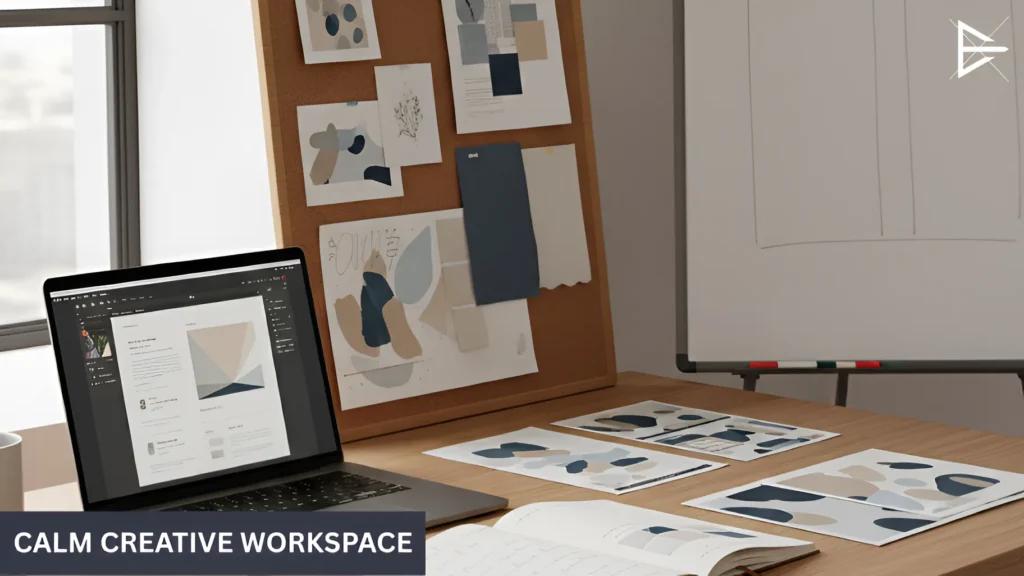
Quiet creative workspace with mood boards, brand visuals, and design materials organized for focused work.

Branding rarely stops working because it was done wrong. More often, it falls behind quietly as the business itself moves forward. What once felt accurate and confident starts to feel slightly off. Not broken, just no longer aligned with who the business is today.

That misalignment usually builds over time as a few changes stack up:

● The business grows or shifts, but the branding stays tied to an earlier version

● Customer expectations change, especially around clarity and professionalism

● The brand shows up in more places than it was originally designed for

● Small inconsistencies accumulate until the message feels diluted

Your Logo Feels Hard to Use, Not Easy to Share

Brand system components including color palettes, typography, and layouts arranged together on a workspace.

This usually shows up in small moments. You go to place your logo somewhere and pause. It only looks right in certain situations, and anything outside of that feels risky or uncomfortable.

Maybe it works well on your website header but falls apart when it is resized. Or it looks fine on one background but feels awkward or unreadable everywhere else. Instead of feeling flexible, it feels fragile.

That friction often looks like this:

● The logo loses clarity when it is scaled down, especially in tighter spaces like headers, icons, or small placements

● It only works in specific layouts or colors, making it difficult to use across different materials

● Minor adjustments feel necessary every time it is used, which leads to inconsistent versions floating around

● Team members hesitate to use it because they are unsure what will look right

● Sharing your brand starts to feel like a task instead of something that happens naturally

People Often Ask You to Explain What You Do

This usually comes up in conversation. Someone looks at your website or hears your business name and then asks a follow-up question. Sometimes more than one. Not because they are curious, but because they are unsure.

You may notice that you spend a lot of time clarifying what you actually do, who you work with, or what makes your service different. The brand introduces you, but it does not finish the thought.

That often happens when the messaging is too broad or tries to cover too much at once. Instead of pointing people in a clear direction, it leaves room for interpretation. Different people walk away with different ideas, and none of them are quite right.

Your Brand Looks Different Everywhere

This issue usually becomes obvious when you start looking at your brand as a whole instead of one piece at a time. Your website might feel solid, but when you compare it to your social media, proposals, or other materials, the connection starts to fade.

Nothing feels completely wrong on its own. The problem is how everything adds up.

This often shows up in ways like:

● Colors shifting slightly depending on the platform, with no clear set of brand colors being followed

● Fonts changing from one piece to the next, sometimes based on convenience rather than intention

● Visual styles that feel clean and modern in one place but dated or unfinished in another

● Graphics, icons, or imagery that follow different styles depending on who created them

● Older versions of logos or layouts still being used because no clear standard exists

● Team members making “best guess” decisions because there are no clear brand guidelines

Over time, this inconsistency chips away at recognition. People have a harder time connecting the dots between your touchpoints, and the brand feels less familiar than it should. Even strong businesses can start to feel smaller or less established when their branding does not hold together.

Your Business Has Outgrown Its Original Look

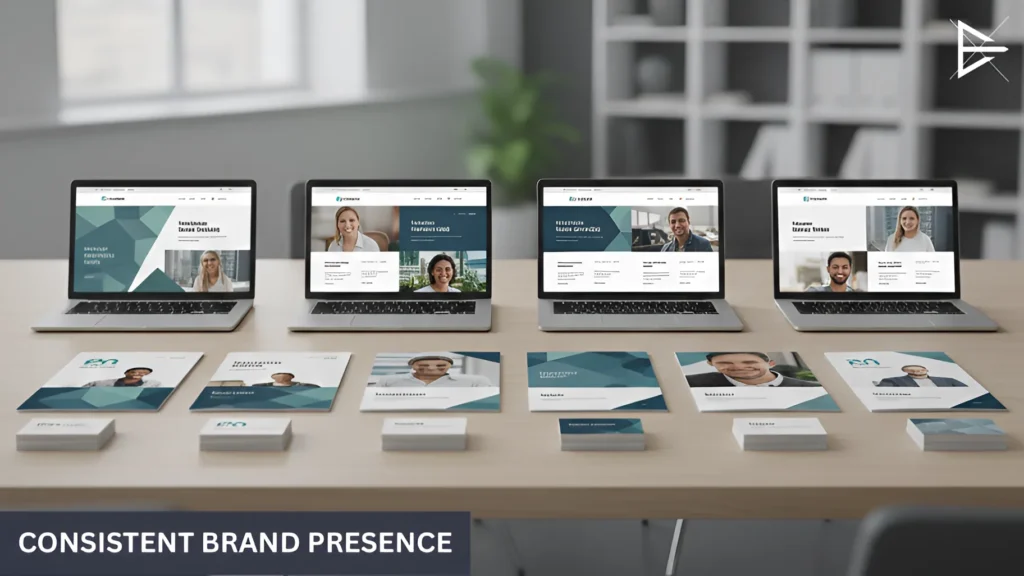
Consistent logo usage across laptop, tablet, and printed brand materials in a well-lit workspace.

This often becomes clear in subtle ways. The work you deliver feels stronger than what your brand suggests. You have more experience, clearer standards, and a better sense of who you serve. But the branding still feels tied to an earlier version of the business.

It is not that the brand is wrong. It just no longer tells the full story.

You might notice this when:

● Your brand still feels like it belongs to a startup phase, even though the business operates at a more established level

● The services you offer have evolved, but the branding still reflects what you did years ago

● The audience you attract today is different from the one the brand was originally built for

● Your pricing, scope, or professionalism has increased, but the brand does not signal that shift

● You feel like the brand understates the quality or confidence of the work you now deliver

You Blend In Instead of Standing Out

This is not always obvious when you are close to your own brand. Everything may look fine on its own. The issue shows up when someone encounters your brand next to others in your space and nothing about it really sticks.

The brand does not repel people, but it does not pull them in either.

This often shows up in ways like:

● Visuals that follow familiar industry patterns, making your brand hard to distinguish at a glance

● Colors, layouts, or styles that feel safe and expected rather than intentional

● Messaging that relies on common phrases or broad promises that many competitors also use

● Descriptions of your services that sound interchangeable with others offering similar work

● A lack of clear cues that explain why your approach, experience, or perspective is different

● Prospects remembering that they visited your site, but not remembering much about it

When a brand blends in, it puts you in a difficult position. People compare you based on surface-level factors instead of value. The brand does not give them a reason to pause, recognize, or recall you later.

What a Strategic Branding Update Actually Looks Like

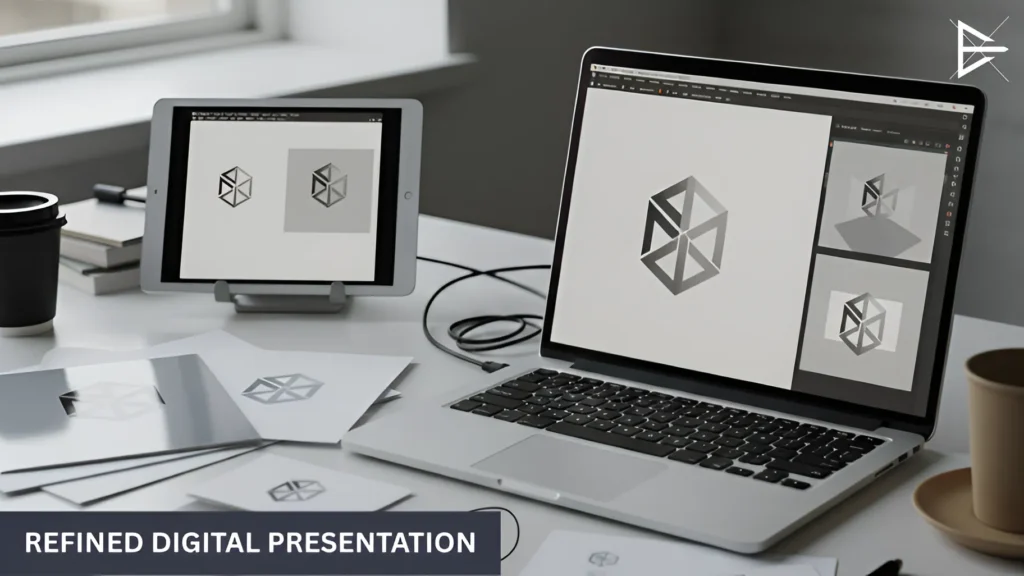
Laptop and tablet displaying logo design variations and brand assets in a clean, minimal digital workspace.

A strategic branding update feels quieter than most people expect. There is no rush to redesign. No jumping straight into visuals. The first step is simply figuring out what is not working anymore and why.

That clarity usually comes from looking at how the business actually operates today, how customers experience it, and where the disconnect shows up. Sometimes it is messaging. Sometimes it is positioning. Sometimes the brand just no longer matches the level of work being delivered.

Once that gap is clear, the changes become more obvious:

● Visuals and messaging start pointing in the same direction instead of competing

● The brand reflects the business as it is now, not how it started

● Adjustments are focused and intentional, not spread across everything at once

● The brand becomes easier to explain, easier to recognize, and easier to trust

● The end result is not a dramatic makeover. It is a brand that feels settled. Confident. Like it finally fits.

Why Having the Right Perspective Makes the Difference

Branding issues rarely get solved by accident. Most businesses sense that something feels off, but they try to fix it by changing surface-level elements. That is where things usually go wrong.

This is where I come in. I help businesses slow down, look at what is actually happening, and fix the real issue instead of guessing.

Here is why branding updates often miss the mark:

● Changes are based on trends, inspiration, or personal preference rather than clarity

● Design is updated before the underlying problem is identified

● Visual elements change, but messaging and positioning stay misaligned

● Pieces are adjusted in isolation instead of looking at the brand as a whole

● The brand looks different, but it still does not feel right

What I focus on is understanding why the brand feels off in the first place. That perspective is what allows the right changes to become obvious. When branding is approached this way, it stops feeling like trial and error and starts feeling intentional.

Final Thought: Branding Should Make Things Easier, Not Harder

When branding is working, you do not think about it very much. It does its job quietly. People understand what you do. Decisions feel simpler. There is less explaining and less correcting.

Problems start when branding creates extra effort. When you have to guide people through what you do, adjust things every time they are used, or constantly wonder how the business comes across. That is usually the moment branding stops being helpful and starts getting in the way.

The goal is not to keep changing your brand. It is to reach a point where it feels settled. Clear enough that it supports growth instead of slowing it down. Strong enough that it does not need constant attention.

Frequently Asked Questions

How often should a business update its branding?

There is no timeline you are supposed to follow. Branding does not work like software updates or website refreshes where time alone forces a change. What matters is whether your brand still reflects how your business actually operates and how you want people to see you.

Most branding updates happen after a shift. Growth, a clearer focus, or a change in audience expectations usually trigger the need. If your brand still feels accurate, confident, and easy to use, there is no benefit in changing it just to keep things moving.

Does an outdated logo always mean I need a full rebrand?

Not always. A logo looking outdated is often a signal, not the problem itself. In many cases, the logo simply needs refinement so it works better in today’s context.

A full rebrand is typically only necessary when the business has changed direction in a meaningful way. If the foundation still fits, a targeted update can solve the issue without starting over.

What is the difference between a logo update and a branding update?

A logo update focuses on the logo alone. That might involve improving clarity, flexibility, or balance so it works better across different uses.

A branding update looks beyond the logo. It considers messaging, visuals, tone, and how everything connects. Many problems blamed on logos are actually branding issues underneath the surface.

Can a logo be well designed but still not work anymore?

Yes. A logo can be professionally designed and still feel wrong for where the business is today. Good design does not guarantee long-term relevance.

As businesses evolve, even solid logos can fall out of alignment with services, audience, or usage needs. When that happens, the logo may need adjustment even if nothing is technically incorrect.

How do I know if my branding is confusing customers?

Confusion usually shows up in conversation, not complaints. People ask follow-up questions, misunderstand your services, or make assumptions that are not quite right.

Clear branding should answer basic questions on its own. When it does not, people are left to guess, and those guesses rarely work in your favor.

Is it normal for branding to feel “off” before it feels broken?

Very normal. Branding issues tend to surface as a feeling before they become obvious problems. Something just does not sit right anymore.

That early discomfort is often useful. It usually means your business has moved forward while the brand has stayed in place.

Can inconsistent branding really hurt trust?

Yes, even when people cannot put it into words. Consistency helps people feel familiar and comfortable with a brand across different touchpoints.

When visuals or tone change from place to place, trust erodes quietly. The business may still be solid, but it feels less dependable.

What role does messaging play in branding updates?

Messaging is often where things break down. Visual updates alone rarely fix deeper issues if the message itself is unclear or unfocused.

When messaging is clear, design decisions become easier. Without it, branding can feel scattered no matter how polished it looks.

Should branding change when a business grows?

Growth often creates a gap between how a business operates and how it appears. Branding built for an earlier stage may no longer signal the right level of confidence or focus.

Updating branding in this situation is not about changing direction. It is about letting the brand reflect who the business already is.

How do I know if my brand blends in too much?

If your brand looks or sounds similar to others in your space, it may be hard to remember. Nothing stands out enough to stick.

When a brand blends in, people compare based on price or convenience instead of value. Clear branding gives people a reason to remember you.

Is following design trends a good reason to update branding?

Trends can be useful tools, but they are rarely a strong reason to update branding on their own. What is popular at the moment does not always fit how your business works or where it is going.

Strong branding is built on clarity and purpose. Trends can support that when used carefully, but alignment matters more. A brand that fits the business tends to last longer than one built to chase what is fashionable.

Can branding feel wrong even if customers are not complaining?

Yes, and this is common. Most customers will not point out branding issues directly. Instead, they hesitate, feel unsure, or quietly move on.

Branding problems often show up as missed opportunities rather than feedback. Changes in engagement or confidence during conversations can be more telling than comments.

What usually goes wrong with DIY branding updates?

DIY updates often focus on what looks outdated instead of what feels misaligned. Colors, fonts, or layouts get changed without understanding why the brand stopped working.

Without a clear diagnosis, updates become trial and error. The brand looks different, but the same problems remain underneath.

How long does a strategic branding update usually take?

The timeline depends on how clear the problem is and how much needs to change. Strategic updates are often more focused than full rebrands.

What matters most is intention, not speed. Rushed updates usually skip important thinking and lead to revisions later.

Should I update my website first or my branding first?

Branding should come first. A website reflects branding decisions, not the place to figure them out.

Updating a website without clear branding often leads to redesigns that feel incomplete or need revisiting. Clear branding makes the website easier to build and more effective.

Can a branding update help with confidence and decision-making?

Yes. Clear branding reduces uncertainty across marketing and communication decisions. It gives teams a reference point.

When branding is aligned, less time is spent debating what feels right. That confidence shows externally as well.

Is it possible to update branding without losing recognition?

Absolutely. Many effective updates are refinements, not complete overhauls. The goal is to keep what works while improving what does not.

When done thoughtfully, recognition can improve. Familiar elements remain, but clarity and confidence increase.

What is the biggest sign a branding update is overdue?

Hesitation is often the clearest sign. You hesitate to share your website, explain your business, or trust how the brand represents you.

If your audience hesitates too, through confusion or lack of engagement, it reinforces the signal.

Do small businesses need branding updates as much as larger ones?

Yes, and sometimes more. Small businesses rely heavily on clarity and trust to compete.

When branding is misaligned, the impact is often felt faster because there is less margin for confusion.

What is the first step if I think my branding needs an update?

The first step is understanding what feels off and why. That might be confusion, hesitation, or a sense that the brand no longer fits.

Clarity comes before visuals. Once the issue is understood, the right changes become much easier to identify.
About the Author

Harvie Ken Colonia

Hi, I’m Harvie!

I started working with businesses in 2019 through SEO and website management. While focusing on visibility and performance, I kept noticing the same pattern. Even when results improved, many brands still felt off.

As businesses grew or shifted, their logos and messaging often stayed tied to an earlier version of the company. That disconnect created confusion and hesitation long before anyone thought of it as a branding issue.

My work now centers on helping businesses recognize when that misalignment starts and bringing clarity back to how their brand shows up, so it feels accurate, confident, and easy to stand behind.

Wondering if your logo or branding still fits where your business is today? Let’s talk and take a closer look.